Tauw
1970
No user ratings available yet
Representation score: 4.7 out of 10
Representation Score
Fair
2001
Director
Ousmane Sembène
Runtime
120 minutes
Average Rating
No ratings yetNew Showbiz Analysis
Ousmane Sembène’s work is a sophisticated exploration of autonomy and social negotiation. By focusing on a woman who succeeds both economically and socially, the film challenges patriarchal norms and traditional domesticity. The film excels in its authentic portrayal of urban African middle-class life. It goes beyond simplistic portrayals of the continent to examine complex, localized social dynamics and class structures within Dakar. While the film is progressive in its treatment of gender and race, it adheres to conventional social norms regarding sexuality and LGBTQ+ identities.
Category Breakdown
The film does not include any LGBTQ+ characters or representations of non-straight relationships. It focuses on traditional family structures and the challenges faced by unwed mothers.
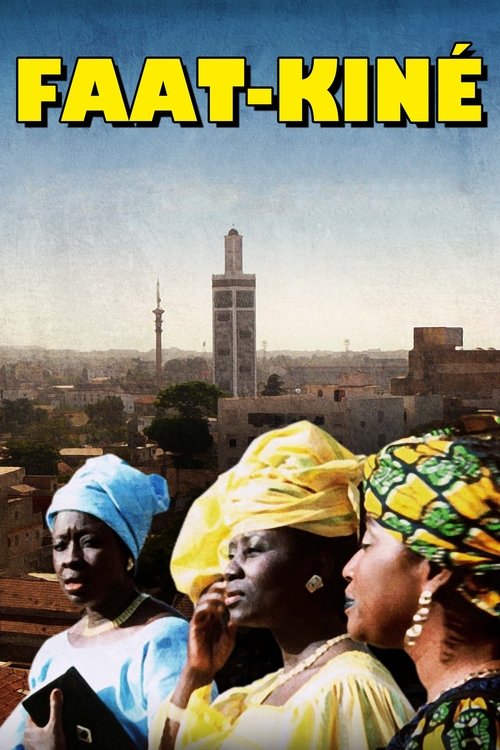
Faat Kiné challenges traditional gender roles by showcasing a successful female entrepreneur in a male-dominated field. She plays a significant role in driving the story and making independent decisions.
The film features an all-Black cast and provides a nuanced, authentic depiction of Senegalese life in Dakar. It avoids the stereotypical Western perspective.
The story explores the tension between traditional Senegalese values and modern capitalist structures. It looks at how individualism interacts with indigenous social obligations.
There are no prominent characters with physical or neurodivergent disabilities that play central roles in the narrative.
Present on Screen
Limited or Absent
Official Synopsis
A forty-year-old woman refuses to give into the stigma of unwed motherhood and climbs the ladder of success in a male dominated field.
1970
1966
2004
2000
1989

2024

2020

1997
No reviews yet. Be the first to share your thoughts on this movie!
Use the rating form above to leave a star rating and optional review.