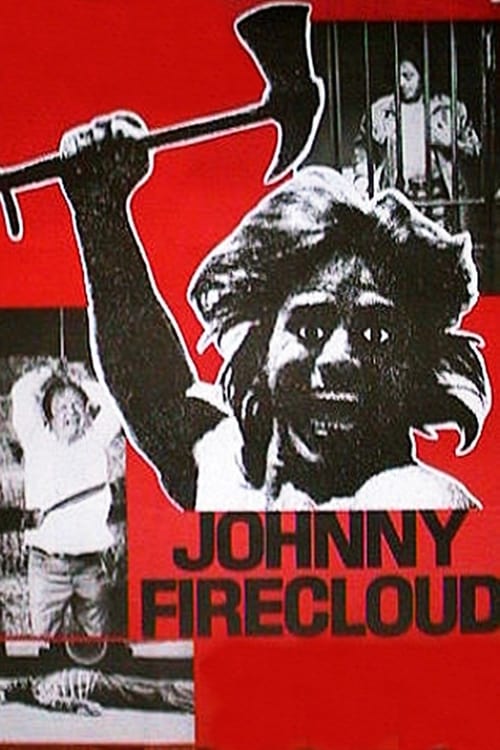
Johnny Firecloud
1975
No user ratings available yet
Representation score: 3.3 out of 10
Representation Score
Fair
1970
Director
Gilles Carle
Runtime
103 minutes
Average Rating
No ratings yetNew Showbiz Analysis
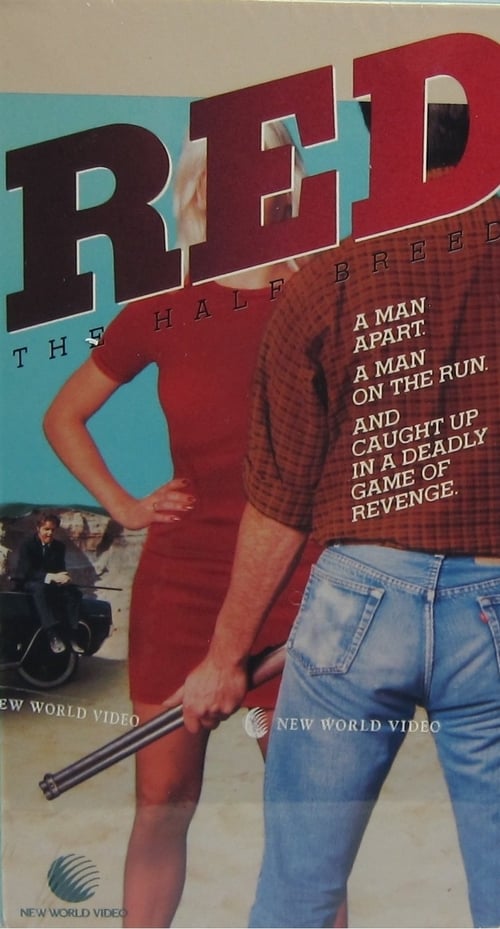
Red the Half Breed offers a sophisticated exploration of identity that challenges traditional frontier myths. By centering a protagonist of mixed Indigenous and French Canadian heritage, the film moves beyond simple colonial binaries to explore the complexities of racial hybridity. The film's strength lies in its post-colonial critique, which portrays Western institutional authority as restrictive and violent. However, the film remains limited in its scope regarding other forms of representation, adhering to period-specific gender norms and lacking engagement with LGBTQ+ identities or disability issues.
Category Breakdown
The film does not prominently feature LGBTQ+ characters or stories. Instead, it focuses on the protagonist's experiences in the 19th-century frontier.
Gender dynamics in the film follow 19th-century norms of the wilderness. The narrative emphasizes racial identity over questioning traditional gender power structures.
The film stands out by focusing on a Métis protagonist, offering a nuanced view of racial hybridity and the conflicts between Indigenous and white societies.
Using a post-colonial framework, the film critiques Western institutions and portrays colonial law as a source of violence.
The film does not significantly address visible or invisible disabilities in its narrative.
Present on Screen
Limited or Absent
Official Synopsis
The illegitimate son of an Indian woman and a French Canadian man leaves home and is attacked when he tries to return.
1975

1964
1972
1971
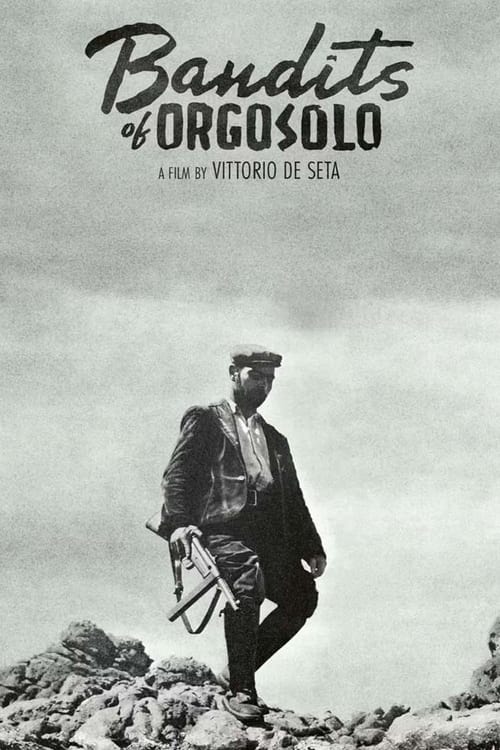
1961
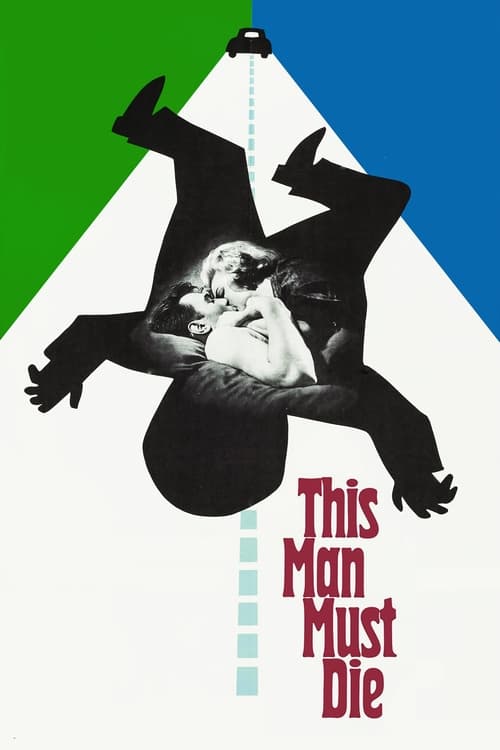
1969
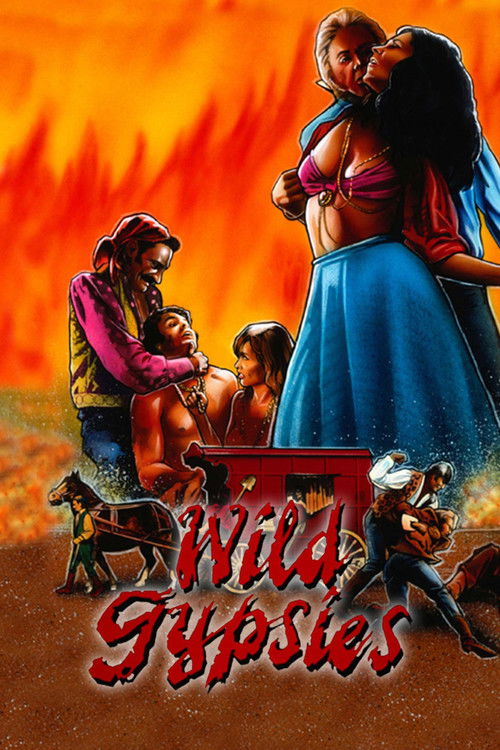
1969
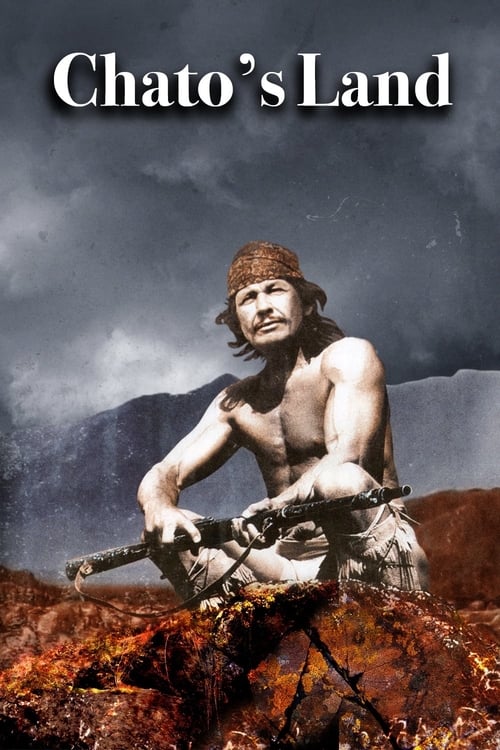
1972
No reviews yet. Be the first to share your thoughts on this movie!
Use the rating form above to leave a star rating and optional review.