
Larisa
1980
No user ratings available yet
Representation score: 6.0 out of 10
Representation Score
Limited
1978
Director
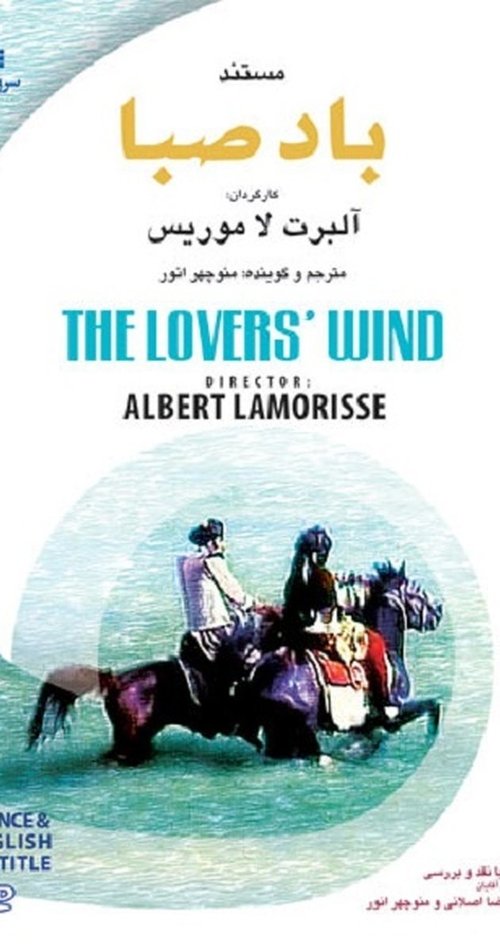
Albert Lamorisse
Runtime
71 minutes
Average Rating
No ratings yetNew Showbiz Analysis
The Lovers' Wind is a non-narrative observational documentary centered on the geography of Iran. Since it functions primarily as a visual record of landscapes, traditional measures of character's ability to drive the story and identity politics are largely irrelevant. Its main contribution to diversity lies in its geographic focus, which provides visibility to a region often overlooked by Eurocentric media of the time. However, the film lacks the character-driven depth needed to explore complex multi-layered frameworks or social hierarchies.
Category Breakdown
The film focuses solely on environmental and topographical elements, showing no evidence of LGBTQ+ identities or relationships.
The film does not feature character arcs or gendered social hierarchies. Its primary focus is on the land itself, rather than gendered dynamics.
The work highlights the Iranian landscape, providing visibility to a non-Western geography and disrupting the Eurocentric gaze common in mid-century cinema.
The documentary offers a window into a non-Western environment, presenting an alternative perspective while maintaining a neutral, observational stance.
The film's focus on scenery precludes the depiction of individual disabilities or neurodivergence. There is no evidence of physical or mental health conditions being portrayed.
Present on Screen
Limited or Absent
Official Synopsis
A 1978 French documentary film directed by Albert Lamorisse about the landscape of Iran. Lamorisse was killed in a helicopter crash while filming the documentary, during a helicopter-tour of Iran. His widow completed the film, based on his production notes, and released the film eight years later in 1978.
1980
2004
1989

2017
1966

1958
1976
2006
No reviews yet. Be the first to share your thoughts on this movie!
Use the rating form above to leave a star rating and optional review.