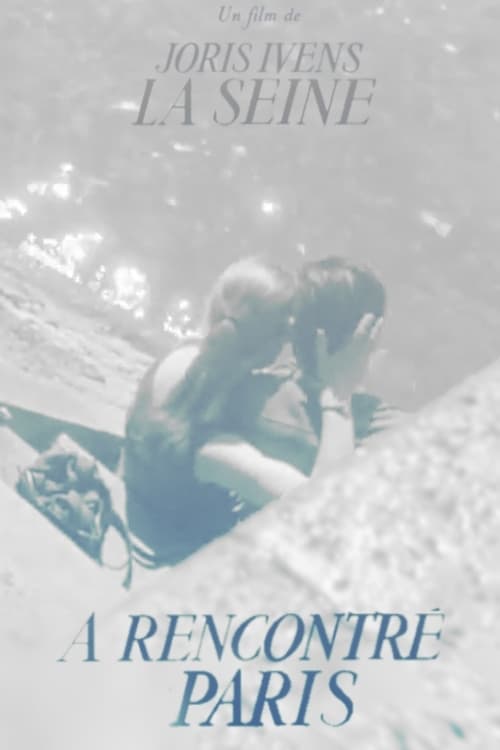
The Seine Meets Paris
1957
No user ratings available yet
Representation score: 7.3 out of 10
Representation Score
Limited
1966
Director
Joris Ivens
Runtime
33 minutes
Average Rating
No ratings yetNew Showbiz Analysis
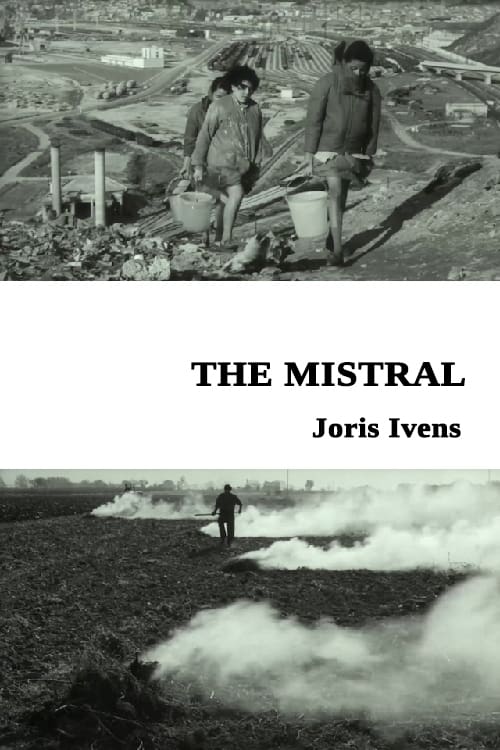
Joris Ivens' documentary is a specialized study of nature that prioritizes environmental observation over social commentary. Since the film centers on a meteorological phenomenon rather than human protagonists, it lacks the character's ability to drive the story and dialogue needed for characters who reflect more than one aspect of diversity. The film avoids traditional human-centric clichés by focusing on the fury of the wind and natural soundscapes. However, this elemental focus also precludes the active promotion of progressive social values through character-driven storytelling. Ultimately, the work functions as a mood film. While it captures the organic reality of southern France, it does not engage with the subversion of social hierarchies or identity-based narratives.
Category Breakdown
The film focuses on meteorological patterns and landscape photography. There are no character-driven narratives or interpersonal relationships to evaluate.
The narrative structure remains neutral due to a lack of specific character arcs. There is no evidence of meaningful gender roles or ability to act.
The documentary captures the life of southern France through an environmental lens. It lacks a narrative focus on ethnic or racial identity.
The film prioritizes elemental forces and naturalism over social or religious institutions. It aligns with a secular, naturalist perspective.
This is a study of weather patterns and landscapes. No characters with visible or invisible disabilities are portrayed.
Present on Screen
Limited or Absent
Official Synopsis
Dutch documentary filmmaker Joris Ivens follows the course of the famous wind as it originates in the Alps and finds its way to the Mediterranean Sea. Natural sounds and creative camera work provide a mood film showing the effect of the fury of the wind on the life of southern France.
1957
1929
1924
2013
2013
2017
1989

2016
No reviews yet. Be the first to share your thoughts on this movie!
Use the rating form above to leave a star rating and optional review.