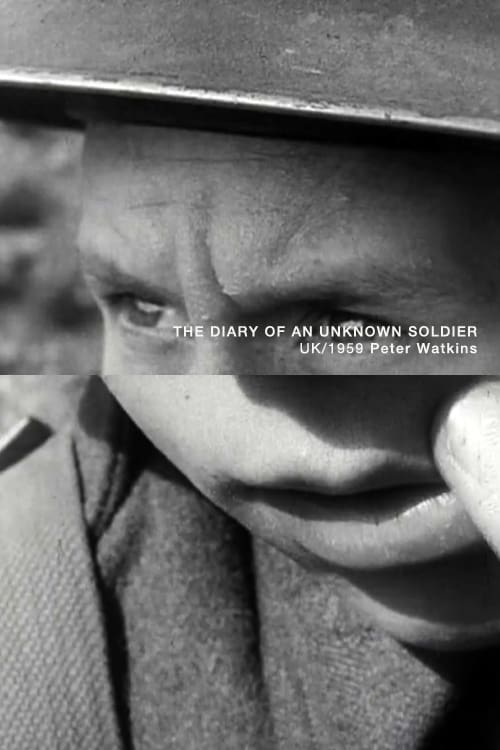
The Diary of an Unknown Soldier
1959
No user ratings available yet
Representation score: 1.2 out of 10

Representation Score
Good
1966
Director
Lionel Rogosin
Runtime
70 minutes
Average Rating
No ratings yetNew Showbiz Analysis
Lionel Rogosin’s documentary stands out as a powerful counter-narrative to traditional war films. By contrasting the chatter of high-society London with global atrocities, the film critiques the involvement of Western institutions in systemic violence. The film shines in its global perspective, using international archives to provide a decolonized view. This approach ensures that the victims of fascism and war are seen through a multi-ethnic lens rather than a singular Anglo-Saxon narrative. However, the film's focus on broad geopolitical structures means it lacks specific representation for individual identities, such as LGBTQ+ characters or detailed portrayals of disability.
Category Breakdown
The film doesn't include explicit LGBTQ+ character stories or diverse gender identities. Instead, it focuses on broader societal issues like war and fascism rather than individual queer experiences.
The film uses a cocktail party to criticize the exclusive social spaces of the elite. While it disrupts social hierarchies, there isn't clear evidence of strong roles for women in the narrative.
By using footage from twelve different countries, the film offers a global, multi-ethnic viewpoint. This approach shifts the focus away from a Western-centric view of history.
The film challenges Western statecraft and patriotism through critiques of capitalism and social stability. It promotes a secular humanism that prioritizes human life over nationalism.
There is no indication of how individual disabilities or neurodivergent experiences are portrayed in the archival footage or the London social scenes.
Present on Screen
Limited or Absent
Official Synopsis
Lionel Rogosin's plea for humanity and against war and fascism. For two years, Rogosin traveled to twelve countries to collect footage of war atrocities from their archives. He interspersed these harrowing images with scenes of a London cocktail party's mundane chatter. Good Times, Wonderful Times was released in 1964 at the height of the Vietnam War, and became one of the great anti-war films of the era.
1959
2008
1969
1979
1968
1974

1968

1967
No reviews yet. Be the first to share your thoughts on this movie!
Use the rating form above to leave a star rating and optional review.