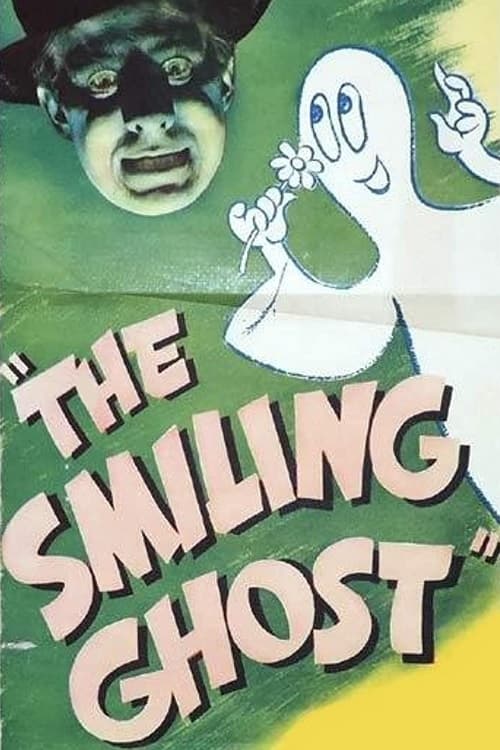
The Smiling Ghost
1941
No user ratings available yet
Representation score: 0.4 out of 10
Representation Score
Minimal
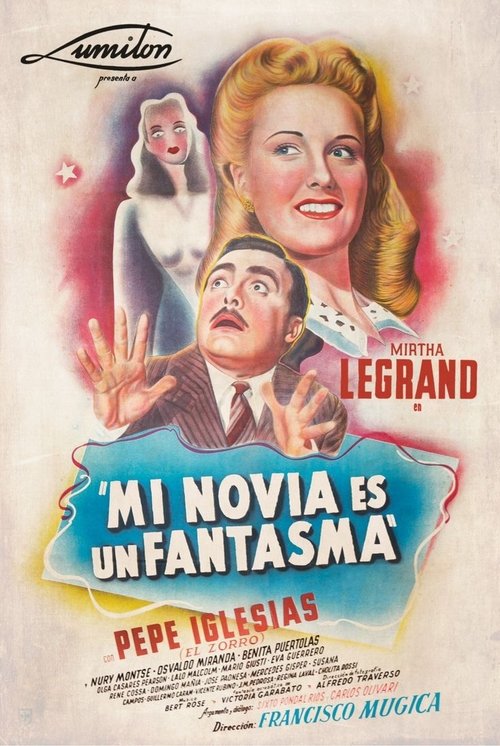
1944
Director
Francisco Múgica
Runtime
75 minutes
Average Rating
No ratings yetNew Showbiz Analysis
Mi novia es un fantasma is a classic situational comedy that relies on the social clichés of the Golden Age of Mexican cinema. The plot hinges on the familiar mechanism of mistaken identity, using class-based misunderstandings to drive the romantic narrative. The film reinforces rather than challenges the social hierarchies of its time. By focusing the conflict on the distinction between a humble maid and a millionaire, the story emphasizes social farce and romantic pursuit over systemic critique. Ultimately, the work serves as a typical commercial comedy of its era. It adheres to conventional gender and class structures, providing a narrative that reflects the status quo of mid-20th-century Latin American storytelling.
Category Breakdown
The film follows a strictly heterosexual romantic storyline. The plot revolves around a journalist falling in love with a female character, without any indication of non-straight identities.
The female protagonist plays a central role in the story, but her involvement is tied to traditional romantic comedy themes. The narrative does not challenge gender hierarchies or offer non-traditional gender roles.
The film likely reflects the ethnic makeup of 1944 Mexico. However, the story focuses more on class distinctions than on exploring specific racial or ethnic backgrounds.
The story operates within the social and moral frameworks typical of the 1940s. It uses traditional class hierarchies and social structures to create comedic conflicts.
There are no visible or hidden disabilities mentioned in the character descriptions or the plot summary.
Present on Screen
Limited or Absent
Official Synopsis
A humble maid is confused with a millionaire from a misunderstanding in the hotel that works and a journalist falls madly in love with her.
1941
1976

1947

1948
1950
1939
1947
1952
No reviews yet. Be the first to share your thoughts on this movie!
Use the rating form above to leave a star rating and optional review.