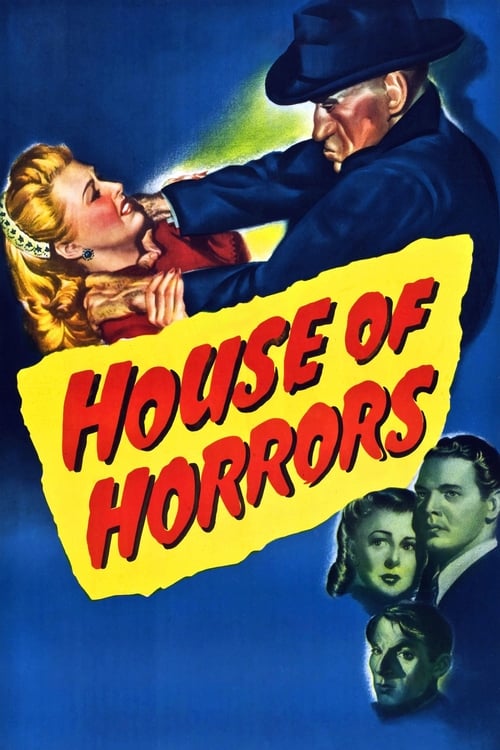
House of Horrors
1946
No user ratings available yet
Representation score: 2.7 out of 10
Representation Score
Limited
1941
NRDirector
Joseph H. Lewis
Runtime
64 minutes
Average Rating
No ratings yetNew Showbiz Analysis
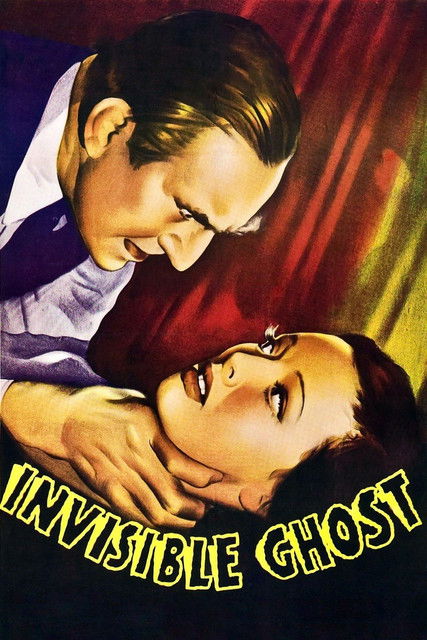
Invisible Ghost is a typical genre piece that follows the social and narrative norms of 1940s Hollywood. It adheres to the conventions of B-movie crime thrillers, focusing on a descent into madness. The film lacks intentionality regarding diverse representation. It relies on established clichés of the era, particularly regarding gendered emotional volatility and the use of mental instability as a suspense mechanism. Ultimately, the work reinforces the status quo rather than challenging it.
Category Breakdown
The film adheres to the straight-centered norms of 1941 cinema. There is no evidence of characters with non-binary gender identities.
The story focuses on a male character's psychological instability after his wife leaves him. Female characters are limited to roles as catalysts or victims, reinforcing traditional gender stereotypes.
The production reflects the homogeneous demographics of the early 1940s. The narrative likely centers on a white, Anglo-Saxon protagonist without a diverse supporting cast.
Themes are rooted in individual psychological issues rather than broader societal critiques. The narrative functions as a traditional morality play focused on personal deviance.
Mental health is used as a plot device to create suspense. There is no evidence of characters with disabilities having meaningful autonomy or nuanced portrayals.
Present on Screen
Limited or Absent
Official Synopsis
The town's leading citizen becomes a homicidal maniac after his wife deserts him.
1946
1940
1962
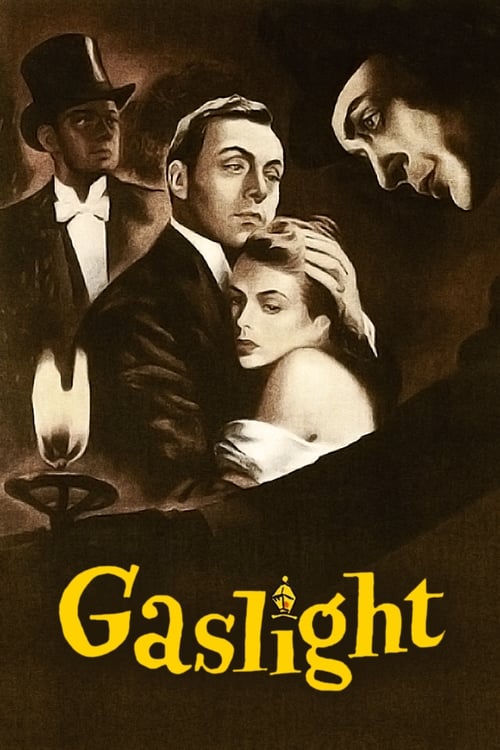
1944
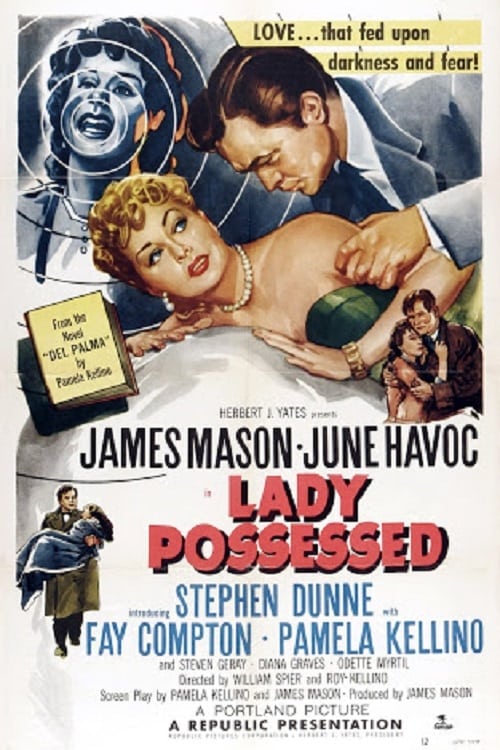
1952
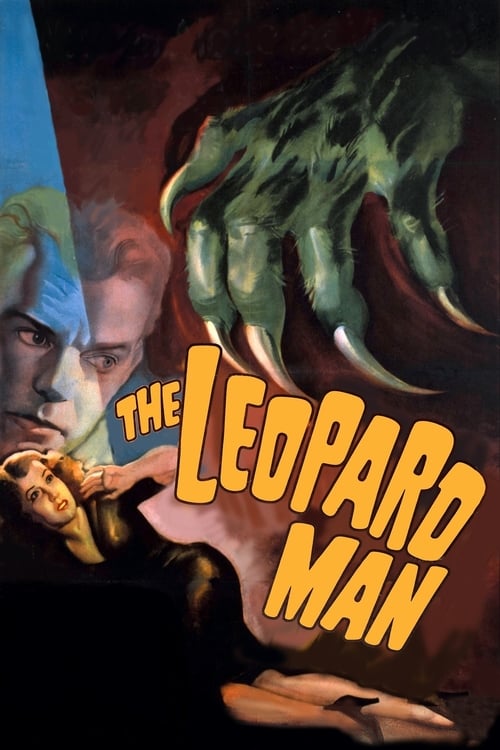
1943
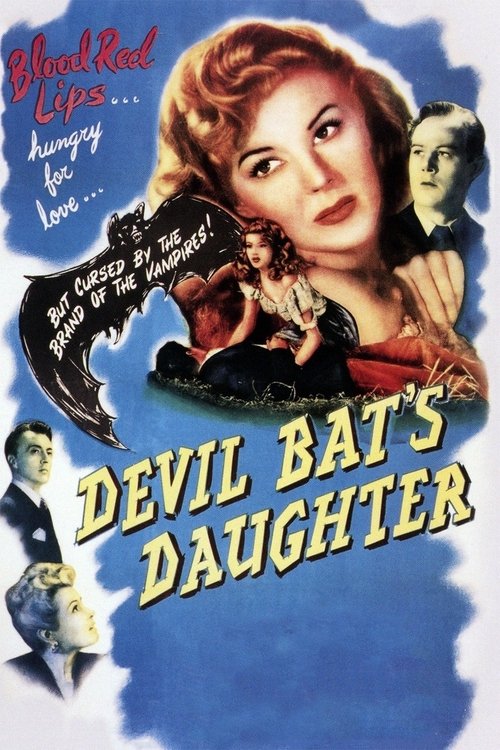
1946
1946
No reviews yet. Be the first to share your thoughts on this movie!
Use the rating form above to leave a star rating and optional review.