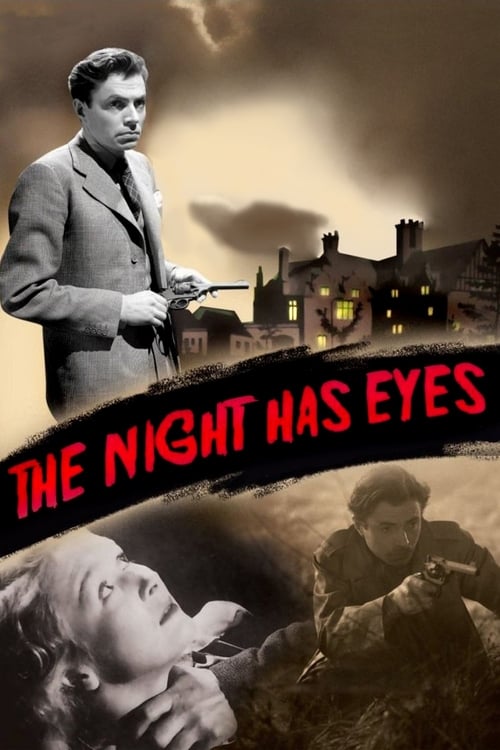
The Night Has Eyes
1942
No user ratings available yet
Diversity score: 2.8 out of 10

1942
ApprovedDirector
Ford Beebe
Runtime
72 minutes
Average Rating
No ratings yetSynopsis
Kurt Ingston, a rich recluse, invites the doctors who left him a hopeless cripple to his desolate mansion in the swamps as one by one they meet horrible deaths.
Overall Score
Limited
Category Breakdown
LGBTQ+ Representation
The film lacks any discernible presence of LGBTQ+ characters. It operates within a strictly traditional framework that does not explore queer subtext or challenge heteronormative standards.
Gender Representation
Narrative agency is primarily concentrated in male characters who drive the investigation. Female characters occupy traditional supporting roles without demonstrating significant intellectual or physical autonomy.
Racial & Ethnic Diversity
The cast is largely homogeneous, reflecting 1942 production standards. There is no evidence of intentional racial blending or a multi-ethnic social landscape within the narrative.
Religious & Cultural Diversity
The story adheres to the social orthodoxies of its time. It focuses on survival and supernatural threats rather than critiquing Western institutions or systemic power.
Disability Representation
Kurt Ingston is depicted as a 'hopeless cripple' to drive the plot. This portrayal risks using physical disability as a mere catalyst for tension rather than exploring nuanced lived experiences.
Strengths
Areas for Improvement
AI Analysis
Night Monster is a product of its historical era, prioritizing genre tropes and suspense over social deconstruction. The film reinforces the demographic hierarchies prevalent in early 1940s American cinema, offering almost no progressive subversion. Representation is minimal across the board. The narrative relies on traditional gender roles and a homogeneous cast, failing to provide a diverse or intersectional perspective. The central character's disability serves primarily as a plot device to fuel the mystery. Ultimately, the film functions as a standard B-movie thriller. It lacks the depth required to challenge the social or cultural norms of its time, remaining firmly within the established cinematic structures of the period.
1942
1941
1975
1943
1928
1945
1943
1928

1966
1970
1971
1945
No reviews yet. Be the first to share your thoughts on this movie!
Use the rating form above to leave a star rating and optional review.