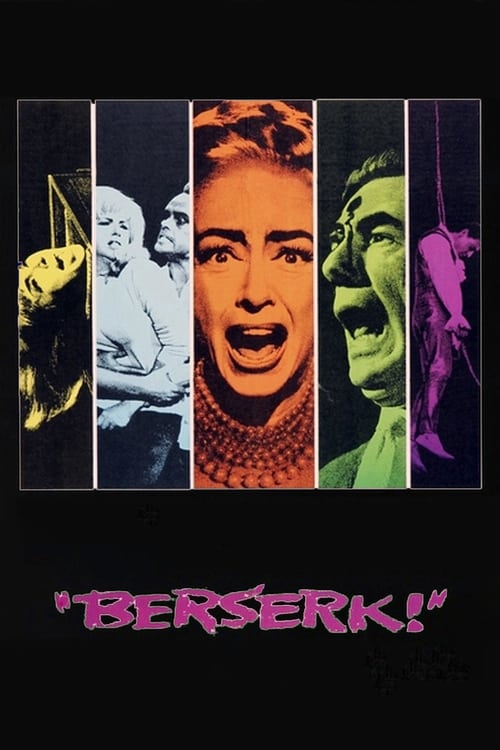
Berserk!
1967
No user ratings available yet
Representation score: 0.5 out of 10
Representation Score
Fair
1969
M/PGDirector
Lee H. Katzin
Runtime
101 minutes
Average Rating
No ratings yetNew Showbiz Analysis
The film focuses on female-centric narratives and psychological instability. It successfully grants significant roles to its female leads, shifting away from traditional masculine leadership to create suspense. However, it remains tied to the demographic conventions of the 1960s. It lacks the multi-layered complexity and racial diversity needed for a higher diversity rating. Ultimately, the film is a character study of domestic tension, exploring mental health through its central mystery but lacking systemic critiques of Western institutions.
Category Breakdown
The film does not include explicit representations of LGBTQ identities. Character dynamics are based on traditional family structures without any queer subtext or non-binary gender expressions.
The story centers on female characters and emphasizes their psychological autonomy. The plot is driven by the intellect and active roles of its female protagonists.
The production adheres to the casting standards of its time, featuring a predominantly white cast. There is no indication of intentional diverse casting to challenge historical norms.
The story examines the facade of a respectable domestic life. It portrays traditional family stability as a mask for darker truths but does not critically examine Western institutions.
The film provides a nuanced exploration of mental health and psychological distress. It treats psychological issues as central to the mystery rather than as caricatures.
Present on Screen
Limited or Absent
Official Synopsis
An aging widow hides a deadly secret which she will do anything to keep buried.
1967
1964

1972
1959
1969
1956
1969
1949
No reviews yet. Be the first to share your thoughts on this movie!
Use the rating form above to leave a star rating and optional review.