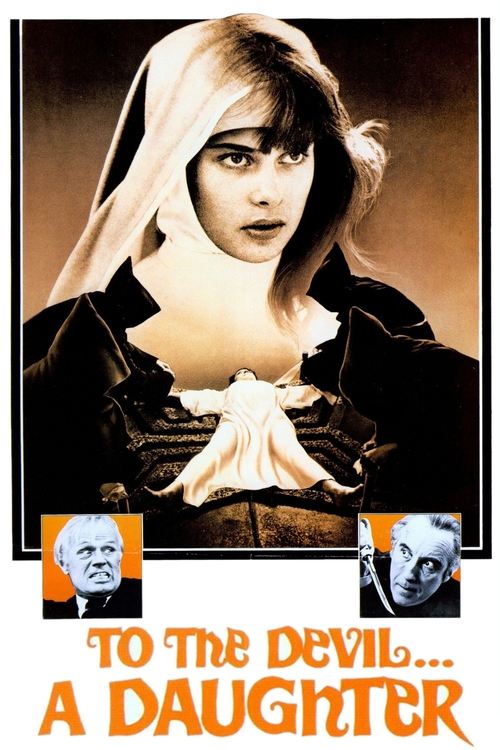
To the Devil a Daughter
1976
No user ratings available yet
Representation score: 1.4 out of 10
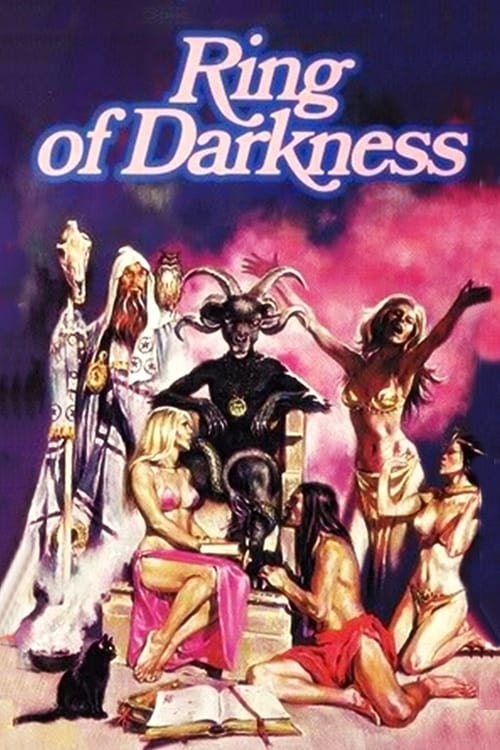
Representation Score
Limited
1979
Director
Pier Carpi
Runtime
106 minutes
Average Rating
No ratings yetNew Showbiz Analysis
Ring of Darkness is a product of late 1970s Italian horror, focusing on psychological and supernatural conflict rather than social representation. While it avoids some traditional clichés by centering a female lead, it remains narrowly focused on a specific demographic. The film's strength lies in its subversion of domestic hierarchies, placing a woman at the center of a high-stakes spiritual crisis. However, the narrative is limited by the era's typical focus on individualistic horror rather than broader cultural perspectives. Ultimately, the film explores moral relativism and maternal regret, but it offers little in the way of diverse cultural or identity-based perspectives.
Category Breakdown
The film does not include any explicitly LGBTQ+ characters or situations that challenge the assumption that everyone is straight or cisgender. The story focuses on maternal bonds and the influence of a patriarchal deity.
Carlotta Rhodes is a proactive protagonist who seeks an exorcist to reclaim control from supernatural forces. She drives the plot and takes charge of her situation.
The film seems to focus on a Western-centric perspective with no indication of a multi-ethnic cast. There is no mention of characters representing different racial or ethnic backgrounds.
The story portrays the devil as a domestic threat, challenging traditional spiritual safety. However, it relies heavily on conventional religious clichés such as exorcism for resolution.
There is no information about the portrayal of physical, neurodivergent, or mental health disabilities in the film.
Present on Screen
Limited or Absent
Official Synopsis
Once a Satanist who surrendered her soul and body to the devil himself, Carlotta Rhodes begins to regret her tryst with Lucifer when her teenage daughter, Daria, starts showing the evil influence of dear old Dad. Convinced that she can stop the devil's power on earth, Carlotta calls upon an exorcist for help.
1976

1977
1974
1977
1975
1973
1974
1974
No reviews yet. Be the first to share your thoughts on this movie!
Use the rating form above to leave a star rating and optional review.