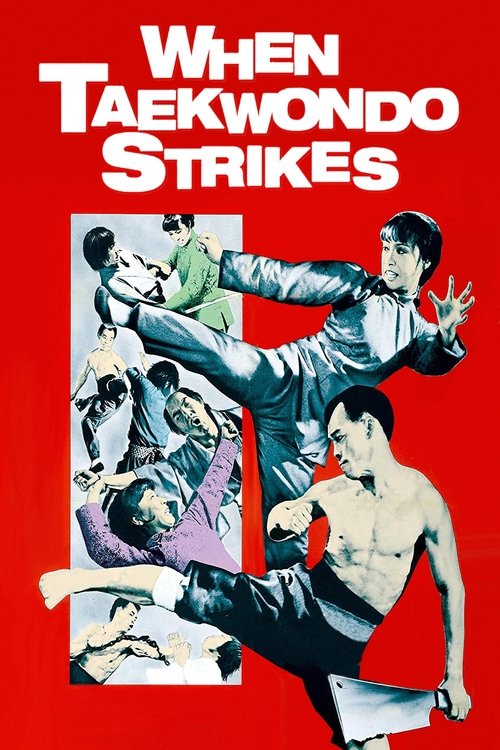
When Taekwondo Strikes
1973
No user ratings available yet
Representation score: 5.0 out of 10
Representation Score
Limited
1980
RDirector
Chang Jen-Chieh
Runtime
90 minutes
Average Rating
No ratings yetNew Showbiz Analysis
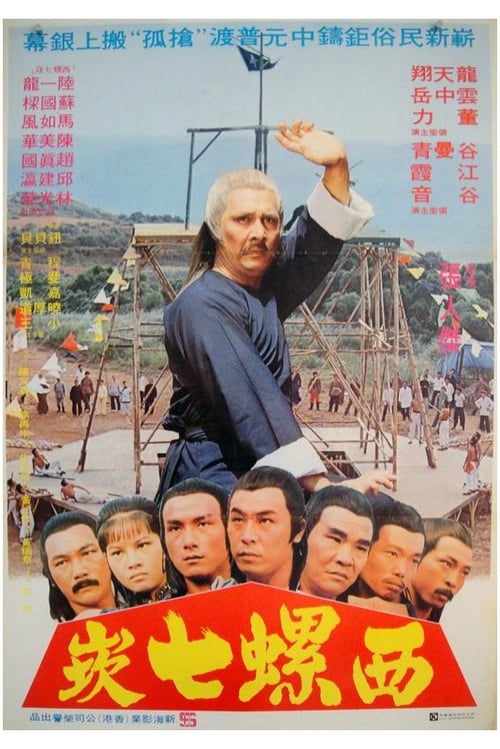
Sacrifice to Desolate Spirits is a period action drama that finds its strength in ethnic ability to act. By centering Chinese resistance against Japanese invaders, the film provides a platform for protagonists to drive the historical narrative through physical prowess. However, the film remains deeply conventional in its social structures. It relies on traditional masculine archetypes and lacks the complexity needed to challenge established gender or sexual hierarchies. Ultimately, the work is a genre-driven exploration of nationalistic struggle that prioritizes historical conflict over modern social subversion.
Category Breakdown
The film does not include any LGBTQ+ characters or narratives. It focuses on traditional masculine archetypes centered around combat and nationalistic resistance.
The story centers on two male kung-fu masters. The power dynamics reinforce traditional masculine leadership and physical dominance without challenging gender hierarchies.
The narrative provides high ability to act to Chinese protagonists fighting Japanese invaders. This framing centers ethnic identity and resistance against a colonial force.
The film explores patriotism and honor through martial arts heroism. It prioritizes traditional values of regional defense over secular or anti-capitalist themes.
There is no evidence of characters with physical or neurodivergent disabilities in the film.
Present on Screen
Limited or Absent
Official Synopsis
Upon their invasion of Taiwan in 1874, the Japanese team up with a sinister tong to hold a martial arts tournament in a plot to root out and assassinate the region's top resistance fighters, thereby breaking the spirit of Chinese patriotism. Two local kung-fu masters prove more than a match for the invaders.
1973
1978
2007
1967
1991
1972
1979
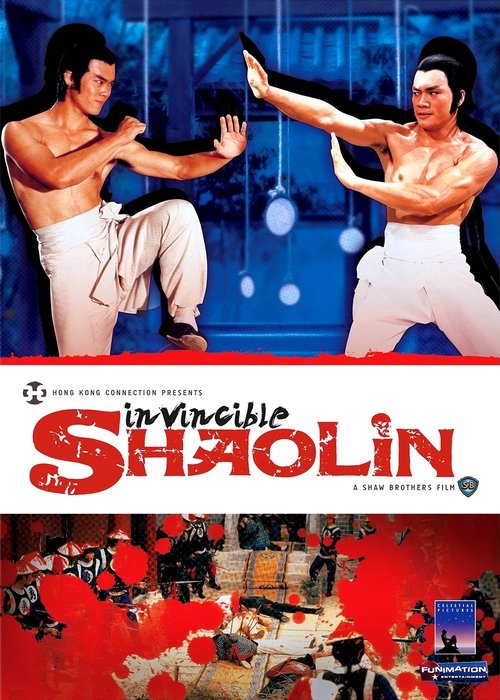
1978
No reviews yet. Be the first to share your thoughts on this movie!
Use the rating form above to leave a star rating and optional review.