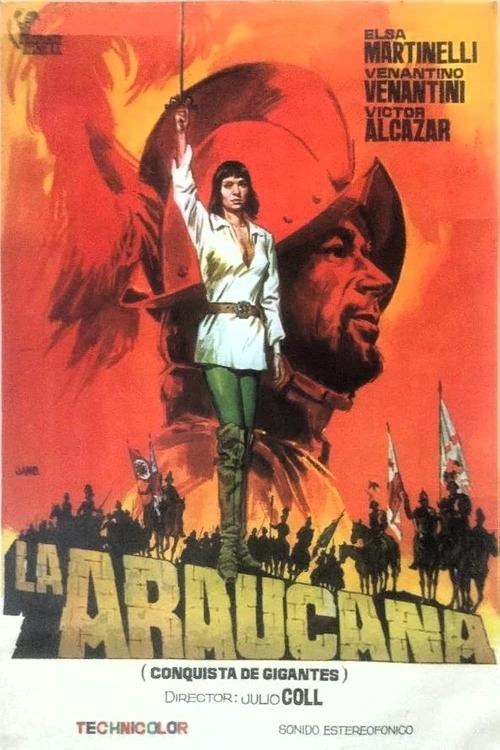
Conquest
1971
No user ratings available yet
Representation score: 2.1 out of 10
Representation Score
Limited
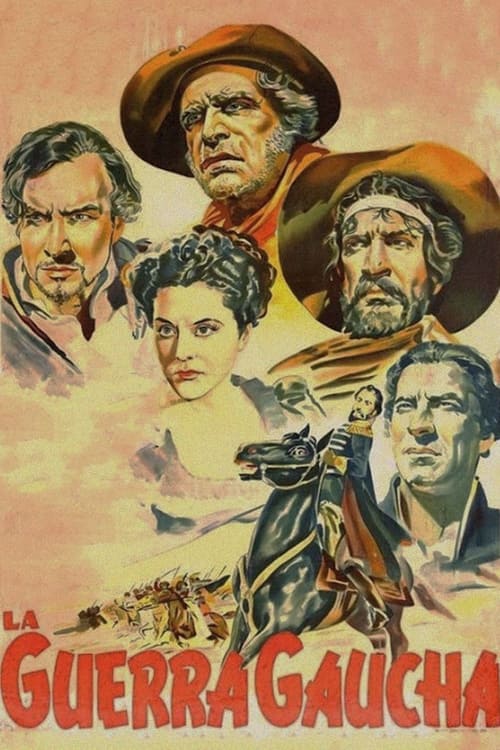
1942
Director
Lucas Demare
Runtime
90 minutes
Average Rating
No ratings yetNew Showbiz Analysis
The film serves as a foundational nationalist epic that gains its value from an anti-colonial framework. It effectively dismantles the authority of the Spanish Empire by focusing on localized, populist ability to act. However, the work is constrained by the era's social norms, showing a significant lack of diverse representation. The narrative focus remains heavily centered on masculine struggle and traditional hierarchies. Ultimately, the film's strength lies in its cultural assertion of Argentine identity, replacing centralized imperial authority with the irregular, grassroots movements of the South American interior.
Category Breakdown
The film does not include any representation of LGBTQ+ identities or queer narratives, adhering strictly to the social norms of 1942 Argentine cinema.
Narrative ability to act is focused on male combatants, reflecting the martial emphasis of 1940s historical epics. Women likely play supporting roles within traditional gender hierarchies.
The film centers the Gaucho, a mestizo-influenced figure of the Argentine interior, elevating regional fighters as protagonists against Eurocentric Spanish dominance.
The story celebrates anti-colonial sentiment by framing the Spanish Crown as the antagonist. It emphasizes regional autonomy and the struggle against imperialist structures.
There is no information regarding the portrayal of physical or neurodivergent disabilities. Such depictions are rarely present in war films of this era.
Present on Screen
Limited or Absent
Official Synopsis
The story of the irregular forces on the north of Argentina, fighting against the Spanish Crown for the independence.
1971
1981

1968
1951
2010

2016
1985
1964
No reviews yet. Be the first to share your thoughts on this movie!
Use the rating form above to leave a star rating and optional review.