
Nerolio
1998
No user ratings available yet
Representation score: 6.6 out of 10
Representation Score
Good
1987
Director
Julian Cole
Runtime
26 minutes
Average Rating
No ratings yetNew Showbiz Analysis
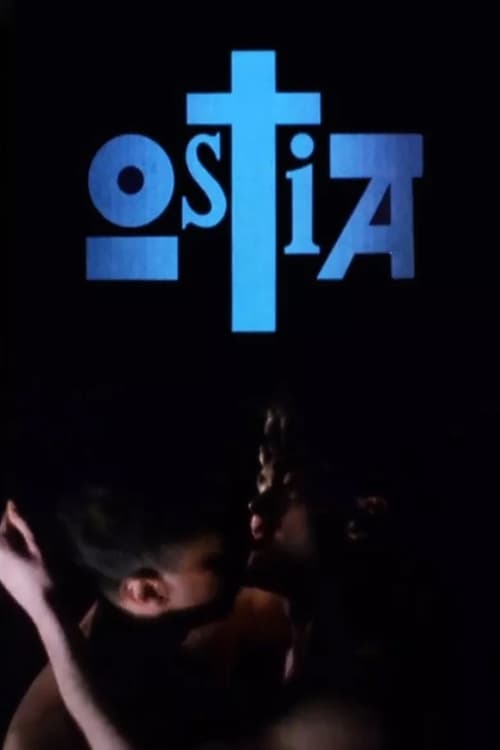
Ostia is a high-concept piece of art that uses the life of a queer icon to disrupt conventional biographical storytelling. By centering on Pasolini and casting Jarman, the film prioritizes poetic subjectivity and the lived experience of a systemic outsider. While the film excels in its intellectual and queer depth, it remains limited by a narrow focus on a singular male figure. The lack of visible racial diversity and the absence of disability representation prevent a higher overall score. Ultimately, the film functions as a profound exploration of non-straight-centered identity, even if its scope is concentrated within a specific intellectual milieu.
Category Breakdown
The film centers on the life of Pier Paolo Pasolini, making queer identity the narrative's core. Casting Derek Jarman transforms the work into a celebration of queer intellectualism and history.
The story focuses on the tragic arc of a male protagonist. It challenges traditional masculine clichés by emphasizing vulnerability and intellectual sensitivity over standard leadership archetypes.
The London setting suggests a potential for urban diversity, though the cast appears focused on a European intellectual diaspora. There is little evidence of a non-Anglo-Saxon majority.
The film explores the tension between the sacred and the profane through Pasolini's lens. It prioritizes subjective, secular inquiry over traditional or institutional religious morality.
There is no explicit evidence regarding the portrayal of physical or neurodivergent disabilities within the film.
Present on Screen
Limited or Absent
Official Synopsis
Ostia is a fascinating short film directed by Julian Cole and produced for the Royal College of Art, which reconstructs the events leading up to the murder of Pier Paolo Pasolini. Ostia relocates the proceedings to London and stars Derek Jarman as Pasolini. The film features an evocative dream sequence which is accompanied by poignant excerpts from Pasolini’s own poetry, as read by Jarman.
1998
1961
1995
1969
1987
1987
2016

2014
No reviews yet. Be the first to share your thoughts on this movie!
Use the rating form above to leave a star rating and optional review.