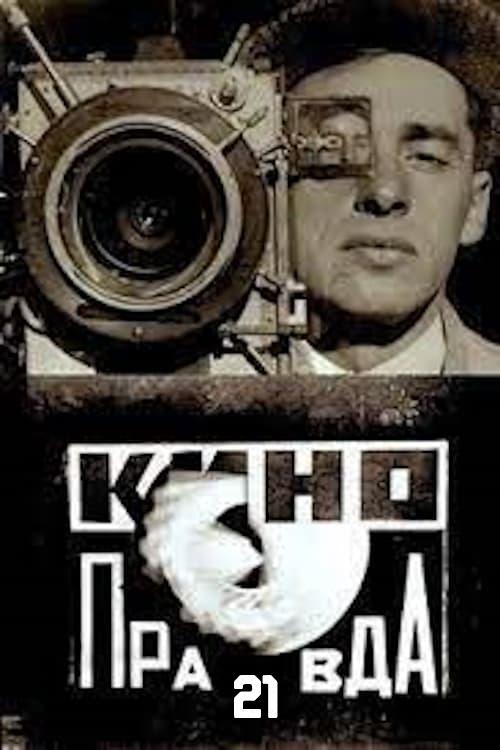
Kino-Pravda No. 21: Lenin Kino-Pravda. A Film Poem About Lenin
1925
No user ratings available yet
Representation score: 4.3 out of 10
No Poster Available
Representation Score
Limited
1937
Director
Yakov Bliokh, Dziga Vertov
Runtime
55 minutes
Average Rating
No ratings yetNew Showbiz Analysis
This documentary is a highly specialized piece of political cinema. It functions as a hagiographic tribute to Grigory Ordzhonikidze, using rhythmic montage to elevate a central state figure. The film's profile is deeply polarized. While it excels in cultural representation through its anti-capitalist and pro-communist framework, it lacks meaningful diversity in almost every other category. Ultimately, the work prioritizes a singular, state-driven ideological narrative over a broad spectrum of human experience, reflecting the centralized social restructuring of the era.
Category Breakdown
The film does not include any LGBTQ+ characters or narratives. It strictly follows the social and political norms of the 1930s Soviet Union.
The story focuses on a male political figure and his male contemporaries, reinforcing a patriarchal hierarchy and a male-dominated political structure.
The film emphasizes proletarian internationalism but primarily reinforces the dominance of the Soviet centralized power structure.
The documentary presents Marxist-Leninist ideology, prioritizing collective revolutionary progress over individual merit or Western norms.
There is no portrayal of individuals with disabilities having ability to act. The focus is solely on political vitality and state service.
Present on Screen
Limited or Absent
Official Synopsis
Archival footage of Ordzhonikidze, scenes from his funeral in Moscow, and speeches by his grieving colleagues, including Joseph Stalin and Nikita Khrushchev.
1925
1935
1934
1929

1958
1919
1925
1922
No reviews yet. Be the first to share your thoughts on this movie!
Use the rating form above to leave a star rating and optional review.