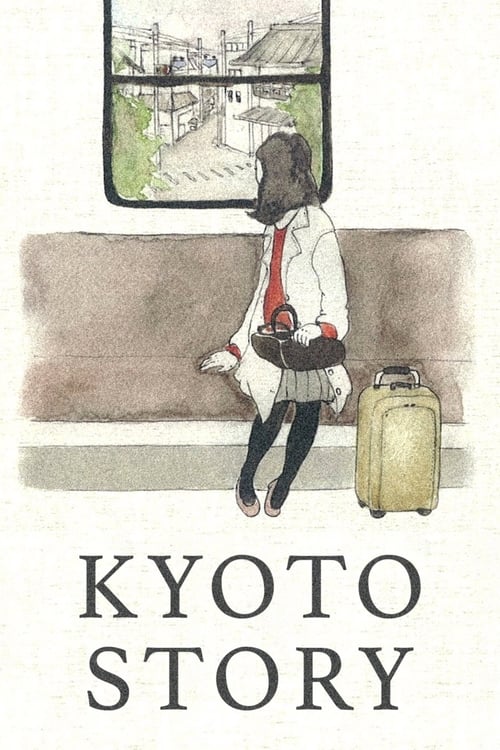
Kyoto Story
2010
No user ratings available yet
Diversity score: 4.9 out of 10

2013
Director
Eiji Okuda
Runtime
134 minutes
Average Rating
No ratings yetSynopsis
Kyoko (Sakura Ando) works as an insurance agent. Due to a series of unfortunate events, she brings shame to her family and has to leave her hometown. Shuichi (Tasuku Emoto) killed his drunken father to save his mother. After he is released from prison, he begins to work at a small factory in Tokyo.
Overall Score
Fair
Category Breakdown
LGBTQ+ Representation
The film lacks explicit evidence of LGBTQ+ characters or non-cisnormative identities. The narrative focuses on two individuals navigating personal trauma and social reintegration.
Gender Representation
Kyoko serves as a primary driver of the drama, centering female agency over traditional support roles. However, the depth of character arcs remains limited.
Racial & Ethnic Diversity
The cast and setting are ethnically homogeneous, reflecting a specific Japanese cultural context. The film operates within a traditional demographic framework without racial blending.
Religious & Cultural Diversity
The story critiques traditional family units and legal frameworks through Shuichi’s backstory. It explores situational ethics and systemic domestic struggles.
Disability Representation
There is no explicit mention of physical or neurodivergent disabilities. The characters do face psychological trauma and the social stigma of being outcasts.
Strengths
Areas for Improvement
AI Analysis
The film functions as a humanistic drama that prioritizes the deconstruction of traditional social institutions over broad demographic representation. It finds its strength in exploring the friction between individual agency and societal expectations, particularly regarding reputation and morality. While the narrative offers a nuanced critique of systemic dysfunction, it remains demographically narrow. The lack of visible LGBTQ+ or racial diversity keeps the overall score modest, despite the progressive handling of social outcasts. Ultimately, the work succeeds in challenging conventional moral frameworks through its protagonists' personal struggles, even if it does not engage with a wide variety of identities.
2010

2018

2013

2015

2016
2009

2013

2012

2023

2005

2002
1999
No reviews yet. Be the first to share your thoughts on this movie!
Use the rating form above to leave a star rating and optional review.