
Leaving on the 15th Spring
2013
No user ratings available yet
Representation score: 7.0 out of 10
Representation Score
Good
2013
Director
Ryota Nakano
Runtime
74 minutes
Average Rating
No ratings yetNew Showbiz Analysis
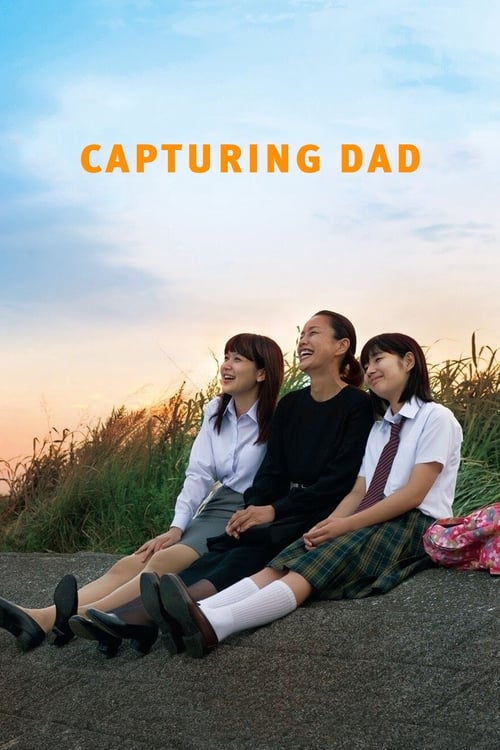
Capturing Dad is a focused domestic drama that centers women's ability to drive the story. By placing the emotional labor of the mother and daughters at the forefront, the film effectively challenges traditional patriarchal structures during a moment of family crisis. However, the film lacks broader diversity, offering limited representation for LGBTQ+ identities, multi-ethnic perspectives, and disability.
Category Breakdown
The film focuses on a biological family unit consisting of a mother and her daughters. There are no visible LGBTQ+ identities or non-straight relationships in the main storyline.
The story centers on women's roles and perspectives, particularly those of Hazuki, Koharu, and Sawa. It challenges traditional patriarchal structures by positioning women as the primary emotional navigators during a family crisis.
As a localized Japanese production, the film maintains a specific domestic context. It does not feature significant racial diversity or the subversion of ethnic casting norms.
The film critiques the traditional patriarchal family model by focusing on an estranged father. It explores memory and the deconstruction of familial stability through a singular photographic act.
Terminal illness serves as a plot catalyst rather than a study of lived disability. The narrative prioritizes the psychological impact of death over the ability to act of characters with disabilities.
Present on Screen
Limited or Absent
Official Synopsis
Part-time worker Hazuki lives with her younger sister, high school student Koharu, and their mother Sawa. One day they receive word that their estranged father is on his deathbed, so Sawa asks Hazuki and Koharu to visit him and take one last photo to remember him by.
2013

2020

2016

2014
2019

2020
2013
2021
No reviews yet. Be the first to share your thoughts on this movie!
Use the rating form above to leave a star rating and optional review.