
Holiday
2023
No user ratings available yet
Diversity score: 5.3 out of 10
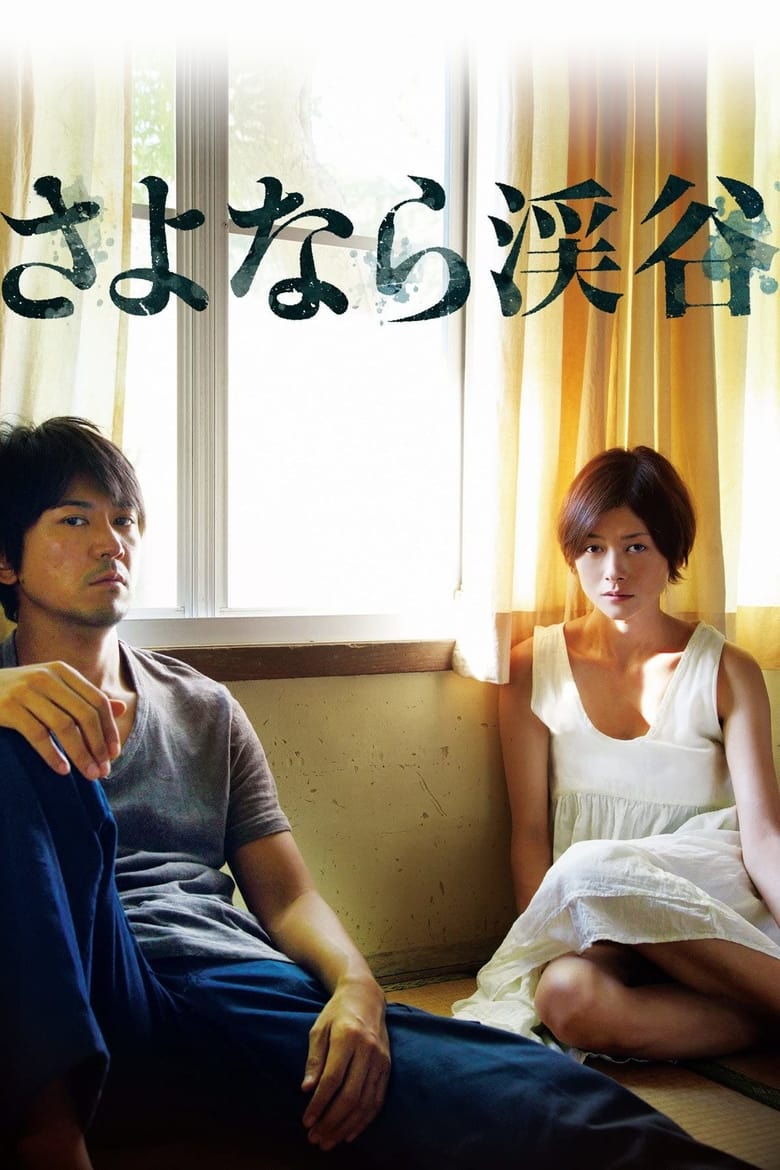
2013
Director
Tatsushi Ōmori
Runtime
116 minutes
Average Rating
No ratings yetSynopsis
In a valley, with a dense growth of trees, a baby is killed. The baby's mother Satomi is arrested as the prime suspect. The police also learn that Satomi is involved in a romantic relationship with her next door neighbor Ozaki. The information was provided by the neighbor's lover Kanako.
Overall Score
Fair
Category Breakdown
LGBTQ+ Representation
The film explores non-traditional relationship structures and infidelity through characters like Kanako. While it lacks explicit LGBTQ+ identities, it disrupts heteronormative stability by focusing on volatile romantic entanglements.
Gender Representation
Satomi serves as a central figure navigating systemic pressure and criminal suspicion. The narrative subverts maternal sanctity by presenting a woman in a state of profound vulnerability and social displacement.
Racial & Ethnic Diversity
This localized Japanese production presents a culturally homogeneous setting. It prioritizes a realist, culturally specific perspective rather than seeking to diversify the ethnic makeup of the cast.
Religious & Cultural Diversity
The story critiques social institutions and deconstructs the idealized family unit. It focuses on characters alienated from societal norms, viewing traditional stability as a potentially oppressive construct.
Disability Representation
The film emphasizes psychological distress and emotional instability. While it lacks explicit disability advocacy, it explores the invisible struggles of characters navigating mental and social crises.
Strengths
Areas for Improvement
AI Analysis
Tatsushi Ōmori’s work functions as a somber character study of the marginalized. The film avoids easy moral resolutions, choosing instead to deconstruct social hierarchies and the sanctity of the traditional family unit. While the film lacks high-visibility demographic diversity, it gains progressive value through its narrative intentionality. It focuses on the human condition at its most fractured, prioritizing the lived experiences of those existing outside conventional norms. Ultimately, the film acts as a critique of the systems that fail to integrate social outcasts, using a naturalist aesthetic to examine the consequences of isolation within a contemporary Japanese landscape.
2023
2013
2013

2013

1982

2000

2007

2022
2019

2018
2019
2019
No reviews yet. Be the first to share your thoughts on this movie!
Use the rating form above to leave a star rating and optional review.