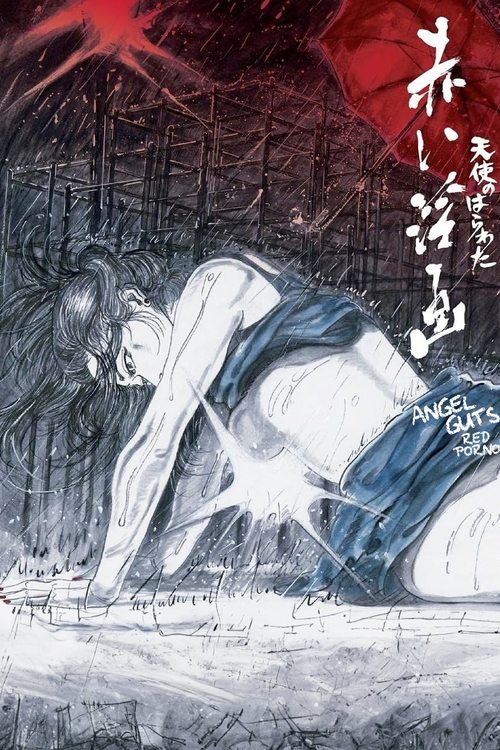
Angel Guts: Red Porno
1981
No user ratings available yet
Representation score: 4.2 out of 10

Representation Score
Good
2018
Director
Masanori Tominaga
Runtime
138 minutes
Average Rating
No ratings yetNew Showbiz Analysis
Dynamite Graffiti is a gritty character study that prioritizes the subversion of social respectability over traditional storytelling. It dismantles the sanctity of the nuclear family and explores underrepresented professional identities within the erotic publishing industry. The film’s strength lies in its nuanced critique of social norms and its deep cultural specificity. However, it lacks high-visibility representation of LGBTQ+ identities and characters with visible disabilities, limiting its impact in those areas.
Category Breakdown
While the film does not explicitly depict LGBTQ+ identities or same-sex intimacy, it hints at an exploration of non-traditional sexuality through its focus on the erotic magazine industry. This suggests a deconstruction of traditional heterosexual norms.
The film challenges traditional gender roles by featuring a maternal figure who exercises significant influence through a transgressive relationship. Additionally, the protagonist’s career in erotic publishing highlights the complex negotiation of gendered power dynamics.
Operating within a relatively homogeneous racial framework typical of Japanese productions, the film delves deeply into specific regional and cultural nuances, avoiding a Western-centric perspective.
By deconstructing the traditional family unit and prioritizing situational ethics, the film demonstrates progressive values. It critiques standard capitalist career trajectories by valuing personal history over institutional stability.
The story explores the psychological aftermath of trauma, touching on mental health issues. However, there is no explicit depiction of characters with disabilities playing a central role in the plot.
Present on Screen
Limited or Absent
Official Synopsis
When Suei was little, his mother had an affair with a young man who lived next door. Suei's mother and the young man killed themselves by using dynamite. After Suei graduated from high school, he worked at a factory before quitting his job. He then went to Tokyo and began working in the erotic magazine industry. Suei eventually became the chief editor of a famous erotic magazine in the 1980's.
1981

1969
2015

1956
2018

1992

1979
2023
No reviews yet. Be the first to share your thoughts on this movie!
Use the rating form above to leave a star rating and optional review.