Leaving on the 15th Spring
2013
No user ratings available yet
Representation score: 7.0 out of 10
Representation Score
Good
2002
Director
Akihiko Shiota
Runtime
92 minutes
Average Rating
No ratings yetNew Showbiz Analysis
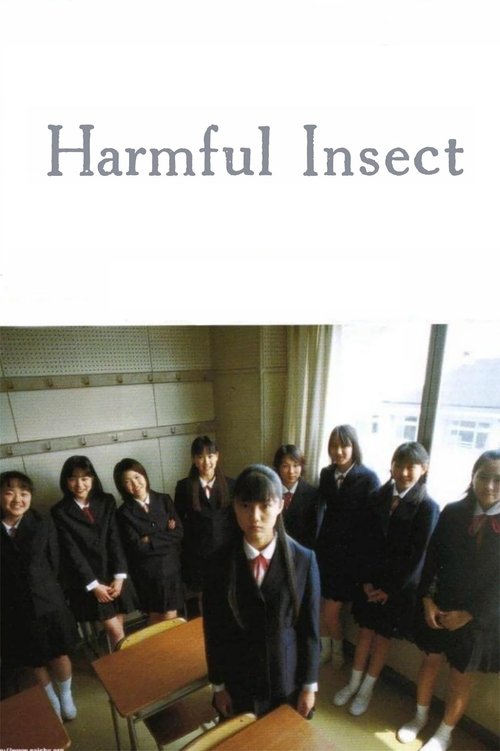
Harmful Insect is a psychological drama that subverts traditional social structures. By focusing on a young girl's struggle against the collapse of her family and school, the film explores women's ability to drive the story in the face of abandonment. However, the film's diversity is limited by its narrow demographic focus and lack of explicit representation. While it effectively deconstructs the sanctity of the nuclear family and educational institutions, it does not engage meaningfully with LGBTQ+ identities or diverse racial perspectives. Ultimately, the film excels as a character study of individual resilience, even though it remains within a relatively homogeneous cultural and social framework.
Category Breakdown
The film does not explicitly depict non-straight relationships or identities. The protagonist's isolation might hint at deeper themes, but there are no clear identity markers.
The story centers on a female protagonist navigating a world where male figures are absent or unavailable. It highlights Sachiko’s journey as she faces systemic abandonment.
As a Japanese production, the cast is ethnically uniform. The film operates within its own cultural context without incorporating multicultural casting.
The film critiques traditional family and educational institutions, showing them as sources of trauma. It emphasizes individual identity over social conformity and institutional stability.
Mental health issues, such as a mother's suicidal thoughts, drive the plot. The film focuses on the emotional impact rather than the lived experience of mental health conditions.
Present on Screen
Limited or Absent
Official Synopsis
13-year-old Sachiko is about to encounter the most difficult moments in her young life. Her father abandons her and her mother attempts to commit suicide by slashing her wrist. Her teacher, whom she relies on heavily, leaves for northern Japan to take another job. Other students start to gossip about Sachiko and her former teacher. Sachiko then drops out of school and attempts to find herself.
2013

2014
2005
2005
2022
1993

2016
1993
No reviews yet. Be the first to share your thoughts on this movie!
Use the rating form above to leave a star rating and optional review.