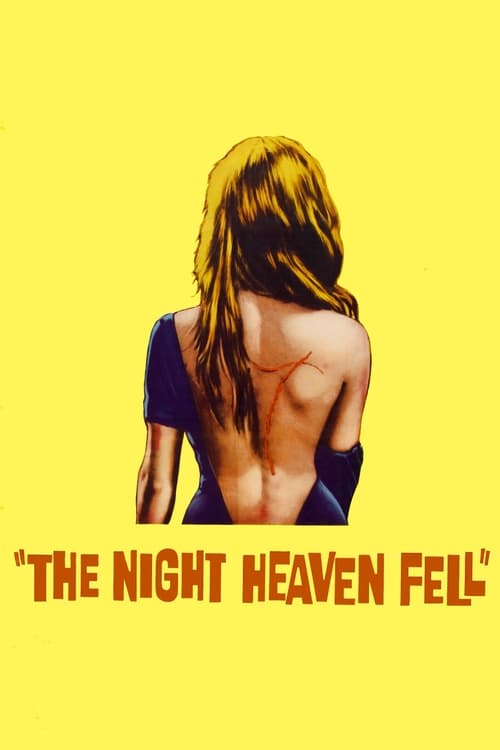
The Night Heaven Fell
1958
No user ratings available yet
Representation score: 3.3 out of 10
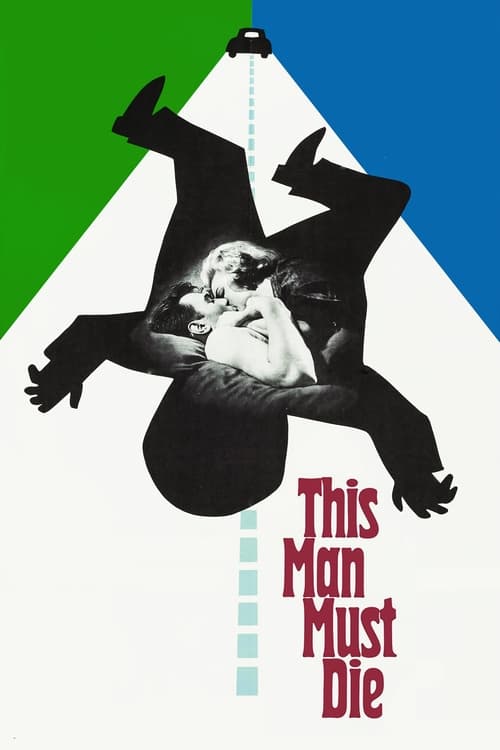
Representation Score
Limited
1969
GPDirector
Claude Chabrol
Runtime
113 minutes
Average Rating
No ratings yetNew Showbiz Analysis
Claude Chabrol’s thriller explores moral relativism through a lens of vigilante justice, subverting traditional views of legal and social order. However, the film is limited by the social constraints of its time, lacking diverse representations of race, gender, and disability. Its strength lies in its thematic depth, but it remains socially narrow.
Category Breakdown
The film does not include any LGBTQ+ characters or stories about non-assuming gender matches what was assigned at birth identities. The main conflict revolves around traditional revenge.
The story centers on a male protagonist seeking revenge, but Helène Lanson's role suggests she could play a more complex part in driving the narrative.
The film focuses on a homogeneous social group typical of 1960s French cinema. There is no indication of a diverse cast in terms of race or ethnicity.
The film critiques justice by examining extrajudicial retribution and challenging the moral failures of social institutions. It presents a progressive view of bourgeois morality.
There are no characters with visible or invisible disabilities in the film. Disability is not used as a narrative device here.
Present on Screen
Limited or Absent
Official Synopsis
When his young son is killed in a hit and run accident, Charles Thenier resolves to hunt down and murder the killer. By chance, Thenier makes the acquaintance of an actress, Helène Lanson, who was in the car at the time of the accident. He then meets Helène’s brother-in-law, Paul Decourt, a truly horrible individual.
1958
1974
1952
1975
1971
1955
1959
1971
No reviews yet. Be the first to share your thoughts on this movie!
Use the rating form above to leave a star rating and optional review.