Studio 54
2018
No user ratings available yet
Diversity score: 6.9 out of 10
2011
Director
Celine Danhier
Runtime
94 minutes
Average Rating
No ratings yetSynopsis
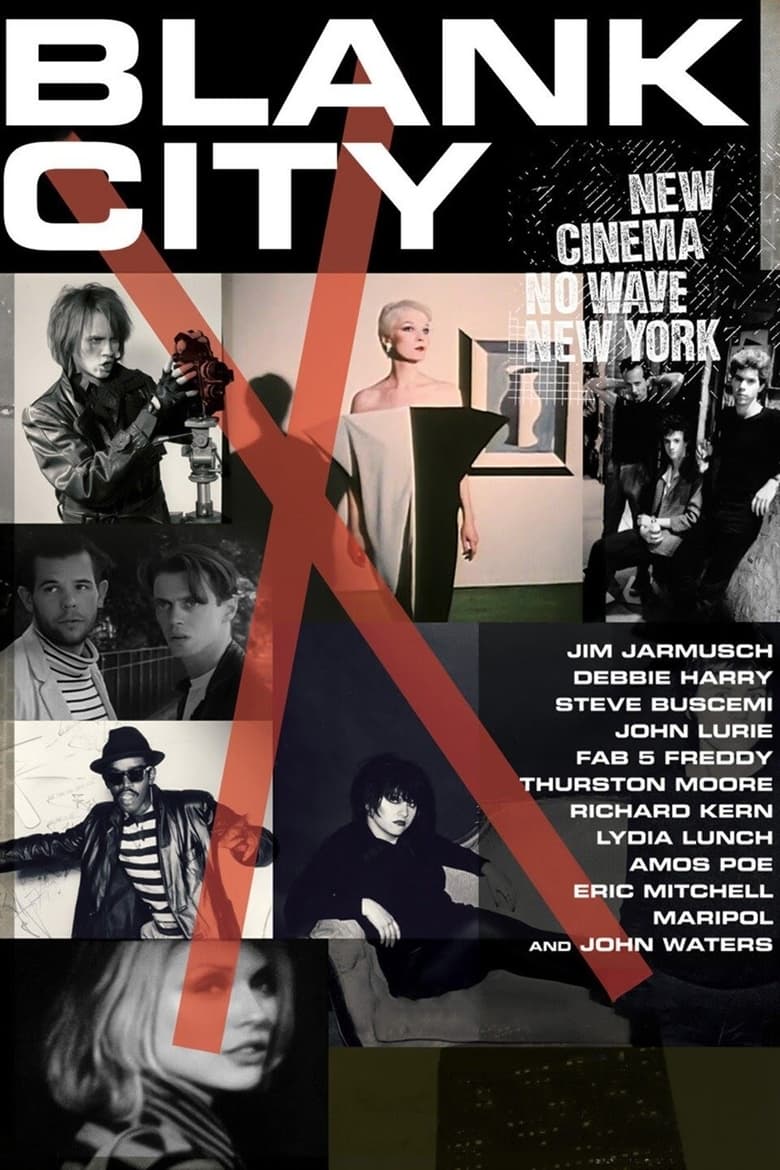
In the years before Ronald Reagan took office, Manhattan was in ruins. But true art has never come from comfort, and it was precisely those dire circumstances that inspired artists like Jim Jarmusch, Lizzy Borden, and Amos Poe to produce some of their best works. Taking their cues from punk rock and new wave music, these young maverick filmmakers confronted viewers with a stark reality that stood in powerful contrast to the escapist product being churned out by Hollywood.
Overall Score
Good
Category Breakdown
LGBTQ+ Representation
The film provides significant visibility into queer identities and non-heteronormative social dynamics. Queer subcultures are presented as a foundational element of the era's social fabric rather than a peripheral curiosity.
Gender Representation
The documentary excels by centering a predominantly female cast of musicians and filmmakers. It emphasizes female agency and professional autonomy, effectively deconstructing patriarchal structures within the historical art scene.
Racial & Ethnic Diversity
The film captures a diverse spectrum of ethnic backgrounds reflecting Manhattan's multicultural landscape. However, the narrative focus on specific indie-film circles limits the depth of racial intersectionality.
Religious & Cultural Diversity
The film adopts an anti-institutional stance, prioritizing a secular, bohemian ethos. It frames the disruption of established social orders and traditional family units as essential for authentic cultural production.
Disability Representation
There is limited specific focus on neurodivergence or physical disability. Disability appears only incidentally within the broader depiction of the era's social struggles rather than as a central pillar.
Strengths
Areas for Improvement
AI Analysis
Blank City serves as a cinematic excavation of the late 1970s and early 1980s New York underground. It successfully disrupts conventional historical hierarchies by prioritizing the subjective realities of marginalized creators over polished, mainstream studio standards. The documentary's greatest strength lies in its subversion of the male-dominated 'auteur' mythos. By centering women and queer subcultures, the film presents these identities as foundational to the era's creative rebellion. While the film captures a multicultural urban landscape, its narrow focus on specific punk and new wave circles prevents a deeper exploration of racial intersectionality. Additionally, disability is not a central narrative component.
2018
2006
2019
2017
2008

2010
1982
2021

2014
2018

1968
2014
No reviews yet. Be the first to share your thoughts on this movie!
Use the rating form above to leave a star rating and optional review.