
The South
1988
No user ratings available yet
Representation score: 8.6 out of 10
Representation Score
Fair
1976
Director
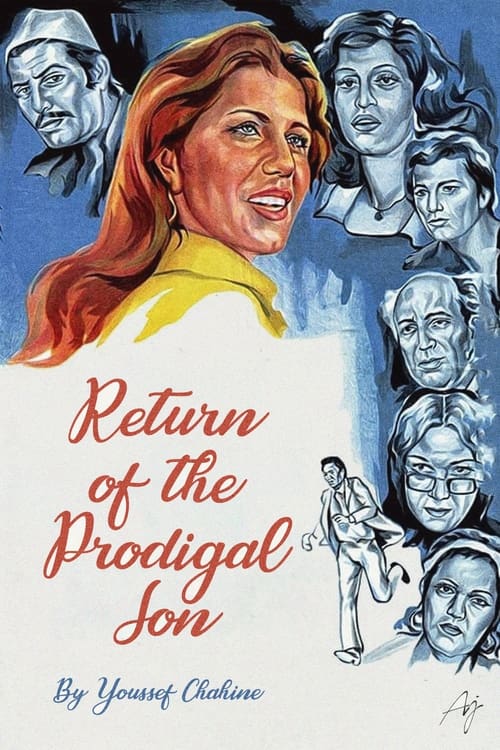
Youssef Chahine
Runtime
125 minutes
Average Rating
No ratings yetNew Showbiz Analysis
Youssef Chahine’s film is a sophisticated exploration of post-colonial identity and the breakdown of traditional authority. It excels by prioritizing local cultural authenticity and subverting patriarchal structures through its focus on women's ability to drive the story and the failure of male leadership. The film’s strength lies in its refusal to adhere to Western cinematic conventions or rigid religious morality. Instead, it uses allegory to examine the subjective nature of guilt and the dysfunction of the family unit. However, the film remains limited by its era, lacking explicit LGBTQ+ representation. While it challenges systemic social structures, it does not engage with contemporary identity-based issues such as non-assuming gender matches what was assigned at birth identities.
Category Breakdown
The film centers on the psychological tension between an activist and his family in 1976 Egypt. It does not include explicit depictions of LGBTQ+ identities or non-assuming gender matches what was assigned at birth narratives, reflecting the social context of the time.
Female characters play a significant role in driving the story, focusing on their emotional labor within the domestic sphere. The narrative challenges traditional masculinity by highlighting the failure and disillusionment of male figures.
The cast accurately represents an Egyptian demographic, avoiding Western-centric casting types. It serves as a post-colonial reclaiming of storytelling through local cultural nuances and linguistic authenticity.
Chahine deconstructs religious dogma by using the 'Prodigal Son' parable as a psychological framework. The film explores guilt and redemption through moral relativism rather than absolute religious truth.
There is no significant evidence regarding the portrayal of physical or neurodivergent disabilities in this work.
Present on Screen
Limited or Absent
Official Synopsis
Freed after spending years in prison, an activist's homecoming turns into a dark affair as his disillusion clashes with his family's expectations. Demonstrating Chahine’s eclecticism, this is an elegant melodrama, exuberant musical, layered allegory, and profound portrait of personal and political disillusionment.
1988
1972
1986
1979
1974

1957
1984

1978
No reviews yet. Be the first to share your thoughts on this movie!
Use the rating form above to leave a star rating and optional review.