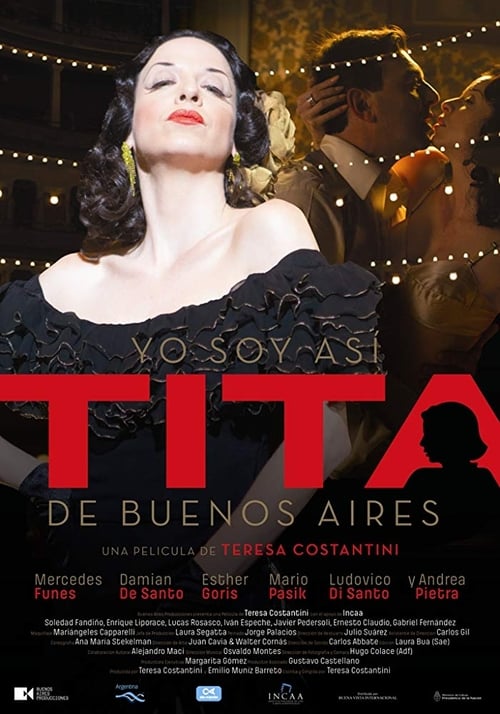
I Tita, A Life of Tango
2017
No user ratings available yet
Representation score: 5.4 out of 10

Representation Score
Good
1993
RDirector
Marcelo Piñeyro
Runtime
125 minutes
Average Rating
No ratings yetNew Showbiz Analysis
Wild Tango (1993) is a powerful piece of regional cinema that prioritizes authentic cultural expression over contemporary identity politics. It succeeds by centering a non-Anglo-Saxon perspective and providing a nuanced look at Argentine history through the lens of a counter-cultural icon. The film's strength lies in its critique of systemic authority and its commitment to local authenticity. By depicting the friction between individual expression and a violent military regime, it challenges traditional power hierarchies. However, the film lacks explicit LGBTQ+ representation and does not provide specific representation for characters with disabilities. While it offers complex female characters, the narrative remains primarily centered on the male protagonist's journey.
Category Breakdown
The film focuses on the life of a rock icon during a specific historical period. It does not explicitly depict non-straight relationships or same-sex intimacy.
Female characters, such as a single mother, play significant roles in driving the story and have complex histories. The film also explores emotional vulnerability in male characters, challenging traditional gender roles.
The production centers on an Argentine/Hispanic cast within a culturally specific Buenos Aires setting. This prioritizes local identity and avoids whitewashing common in globalized media.
The narrative critiques state authority and institutional oppression by framing the protagonist against a violent military regime. It uses the rock movement to challenge restrictive social norms.
The story explores themes of grief and psychological struggle. However, no characters with visible or invisible disabilities are given central roles or specialized representation.
Present on Screen
Limited or Absent
Official Synopsis
A biopic based on the life of one of the pioneer argentine rock stars 'Tanguito'. The movie tells the story of his rise and fall from grace, encompassed in violent times of a military regime.
2017
2014
1988
2025

2011
1998
1981

2000
No reviews yet. Be the first to share your thoughts on this movie!
Use the rating form above to leave a star rating and optional review.