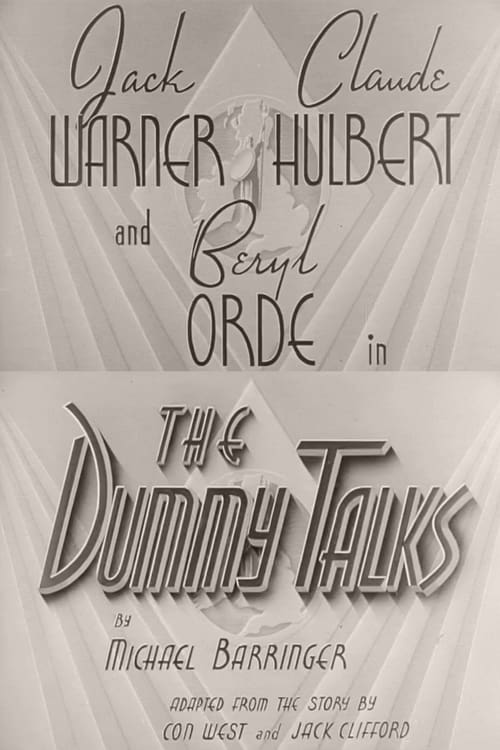
The Dummy Talks
1943
No user ratings available yet
Diversity score: 2.2 out of 10
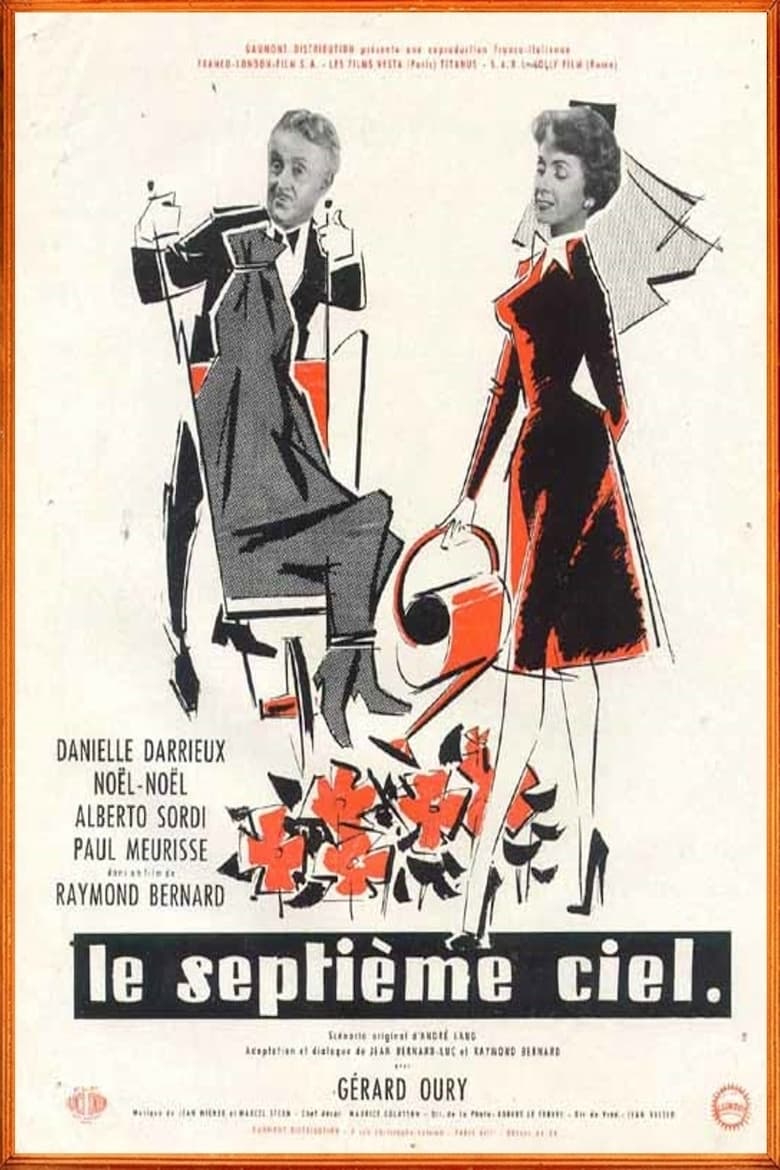
1958
Director
Raymond Bernard
Runtime
107 minutes
Average Rating
No ratings yetSynopsis
"Le septième ciel" became Raymond Bernard's last film; a black comedy about a female brewery owner who donates vast amounts of money to charitable causes. The funds to do this, she raises through her liaisons with wealthy gentlemen... who just "happen" to end up dead!
Overall Score
Limited
Category Breakdown
LGBTQ+ Representation
The film focuses entirely on a heteronormative romantic arc. There is no presence of non-cisnormative identities or same-sex intimacy.
Gender Representation
While the female lead is central to the emotional arc, power dynamics remain rooted in traditional courtship. The narrative architecture emphasizes male agency and romantic idealism.
Racial & Ethnic Diversity
The ensemble is predominantly white, reflecting the homogeneous demographic of early 20th-century Montmartre. It functions as a period-accurate depiction of a specific European social stratum.
Religious & Cultural Diversity
This romantic melodrama prioritizes sentimentalism over systemic critique. The narrative values center on individual fulfillment rather than socio-political or anti-religious commentary.
Disability Representation
There are no prominent depictions of physical or neurodivergent characters. Disability is not utilized as a plot device within the narrative.
Strengths
Areas for Improvement
AI Analysis
Seventh Heaven is a classical romantic work that operates strictly within the social and cultural parameters of its era. The film relies on established romantic tropes and historical homogeneity, offering very little disruption to conventional social hierarchies. The narrative focuses on individual emotional fulfillment and traditional courtship. It avoids systemic commentary, instead prioritizing the sentimentalism typical of mid-century European cinema. Because the film adheres to the demographic and social norms of its period setting, it lacks meaningful representation of diverse identities or marginalized groups.
1943

1962

1937
2017
1943
1932
1978
1969
1975
No reviews yet. Be the first to share your thoughts on this movie!
Use the rating form above to leave a star rating and optional review.