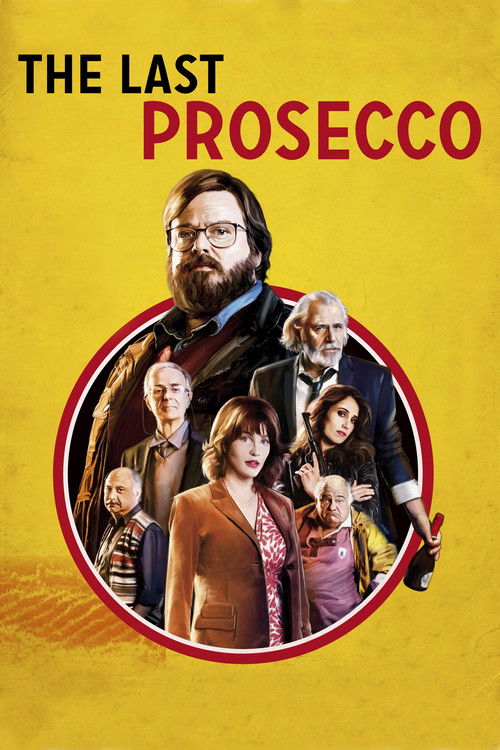
The Last Prosecco
2017
No user ratings available yet
Diversity score: 3.5 out of 10

1962
Not RatedDirector
Luigi Comencini
Runtime
102 minutes
Average Rating
No ratings yetSynopsis
Popular Italian comic Alberto Sordi does an excellent job of creating a bumbling yet effective police inspector by the unlikely name of Dante Lombardozzi, in this entertaining comedy-murder mystery by director Luigi Comencini.
Overall Score
Limited
Category Breakdown
LGBTQ+ Representation
The film adheres strictly to the heteronormative social structures of 1962. There is no presence of non-cisnormative identities or same-sex intimacy within the narrative.
Gender Representation
The story reinforces mid-century hierarchies through a patriarchal protagonist. While Dante Lombardozzi is bumbling, his eventual success reinforces the necessity of traditional male authority.
Racial & Ethnic Diversity
The cast is predominantly homogeneous, reflecting the localized context of 1960s Rome. The film lacks ethnic diversity, focusing instead on internal Italian social strata.
Religious & Cultural Diversity
The narrative explores the tension between traditional morality and rapid modernization. It favors institutional stability and the preservation of social structures over modern social shifts.
Disability Representation
There is no significant evidence regarding the portrayal of physical or neurodivergent disabilities. The focus remains on comedic interpersonal dynamics.
Strengths
Areas for Improvement
AI Analysis
The Police Commissioner is a period-specific comedy that reflects the social constraints of 1960s Italy. It prioritizes established social hierarchies and traditional authority figures, offering almost no disruption of conventional norms. The film functions as a study of mid-century social stability. By focusing on a localized, ethnically singular perspective, it avoids engaging with broader intersectional or progressive themes common in modern cinema.
No reviews yet. Be the first to share your thoughts on this movie!
Use the rating form above to leave a star rating and optional review.