
Meditation
1971
No user ratings available yet
Representation score: 7.5 out of 10
Representation Score
Limited
1967
Director
Jordan Belson
Runtime
5 minutes
Average Rating
No ratings yetNew Showbiz Analysis
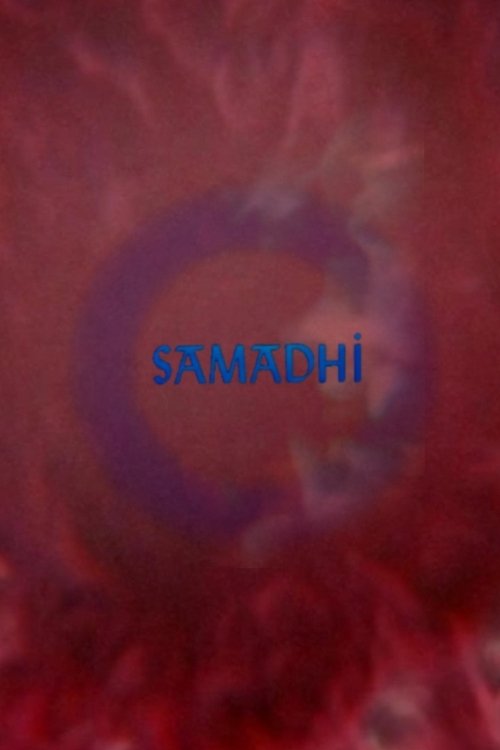
Samadhi is a groundbreaking work of experimental animation that explores consciousness through sensory experiences. Since it operates through pure abstraction, it doesn't depict human characters or interpersonal dynamics. However, it achieves cultural depth by incorporating Eastern metaphysical concepts, such as those found in the Tibetan Book of the Dead and yogic meditation, moving beyond Western cinematic norms. Ultimately, the low diversity score is due to the film's non-representational nature, but it remains a significant departure from the Eurocentric norms of 1960s cinema.
Category Breakdown
This film does not include any characters or interpersonal dynamics, so there are no depictions of LGBTQ+ identities.
The work focuses on kaleidoscopic geometric patterns and fluid color transitions, which bypass traditional gender hierarchies and roles.
The film centers on non-Western philosophical frameworks, particularly Yoga and Tibetan Buddhism, disrupting Eurocentric cinematic norms through abstraction.
The film's themes align with Eastern traditions, focusing on meditative experiences rather than dogmatic practices, challenging Western dualistic views.
As an abstract visual poem, the film does not feature characters and thus does not address physical or neurodivergent representation.
Present on Screen
Limited or Absent
Official Synopsis
Samadhi is both mystical and mysterious, an incredible fusion of movement, sound and colour. Belson notes the influence of his study and practice of Yoga and Tibetan Buddhism on the creation of Samadhi. The film is inspired by the principles of yogic meditation: the movement of consciousness towards samadhi (union of subject and object), the fusion of atma (breath and mind), a state which reveals the divine force of kundalini, a bright white light we discover at the end of Samadhi. The Tibetan Book of The Dead is the inspiration behind Belson’s use of colour in Samadhi, corresponding to descriptions of the elements of Earth, Fire, Air and Water in the book. —Sophie Pinchetti, The Third Eye
1971
1961
1964
1973

1975
1965
1965
1986
No reviews yet. Be the first to share your thoughts on this movie!
Use the rating form above to leave a star rating and optional review.