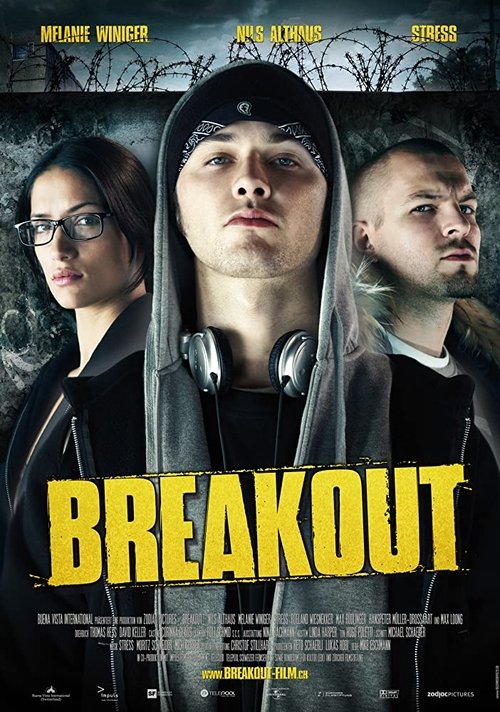
Breakout
2007
No user ratings available yet
Representation score: 3.3 out of 10
Representation Score
Fair
2015
PGDirector
Yvonne Kerékgyártó
Runtime
70 minutes
Average Rating
No ratings yetNew Showbiz Analysis
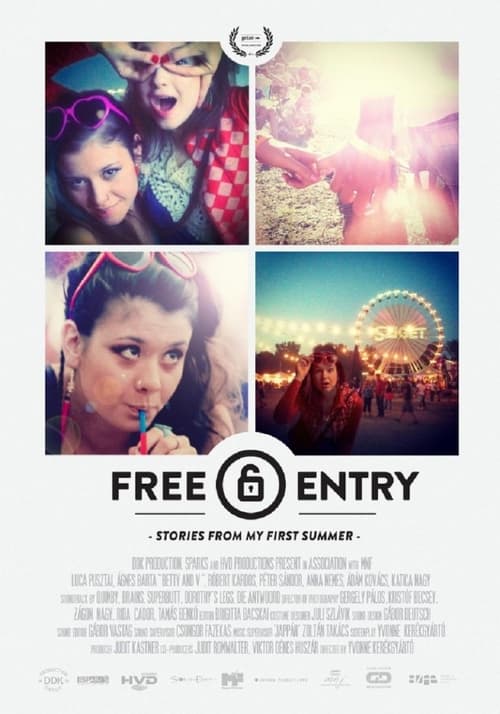
Free Entry offers a focused exploration of adolescent autonomy and the rejection of conventional societal norms. By centering the plot on a counter-cultural music festival, the film prioritizes experiential freedom over material stability. However, the narrative remains somewhat narrow in its demographic scope. The focus on a localized Hungarian setting and traditional social dynamics limits the film's multi-layered depth. While the film successfully portrays female empowerment and non-conformity, it lacks explicit representation regarding race and LGBTQ+ identities.
Category Breakdown
The film does not include explicit LGBTQ+ identities or non-straight relationships. While it focuses on the friendship between Betty and V, there is no clear indication of queer themes.
The story emphasizes female empowerment through teenage rebellion. V uses her social skills to navigate her environment, while Betty grows from social anxiety to self-assurance.
Set at Hungary's Sziget Festival, the narrative seems confined to a specific European context. There is no indication of a diverse cast or multi-layered racial dynamics.
The film highlights counter-cultural values by focusing on substance use and anti-materialist lifestyles. It challenges traditional social structures through a nomadic, anti-establishment festival environment.
There is no mention of characters with visible or invisible disabilities. No information is available regarding neurodivergence or physical disabilities.
Present on Screen
Limited or Absent
Official Synopsis
Betty and her friend V have a major project: the open-air music festival, Sziget Festival held every summer on one of the Danube islands in Hungary. Instead of money the teenagers have a stash of grass waiting for a buyer. Food? Nothing wrong with the leftovers from other people’s plates. Tent? Why bother when you can sleep under the stars. Sleep? No way: the party goes on all night. V is a pretty girl who knows how to use her charms to the best advantage. Betty, more reserved and shy, never quite knows what to do with her hands, how to hold a cigarette, what to say to the boys they meet. But the tables are turned when the pair go their separate ways after an argument.
2007

2014
2009

2018

2011
2020
2017

2016
No reviews yet. Be the first to share your thoughts on this movie!
Use the rating form above to leave a star rating and optional review.