Life Inside Out
2014
No user ratings available yet
Representation score: 2.6 out of 10
Representation Score
Good
2017
Not RatedDirector
Alain Gomis
Runtime
123 minutes
Average Rating
No ratings yetNew Showbiz Analysis
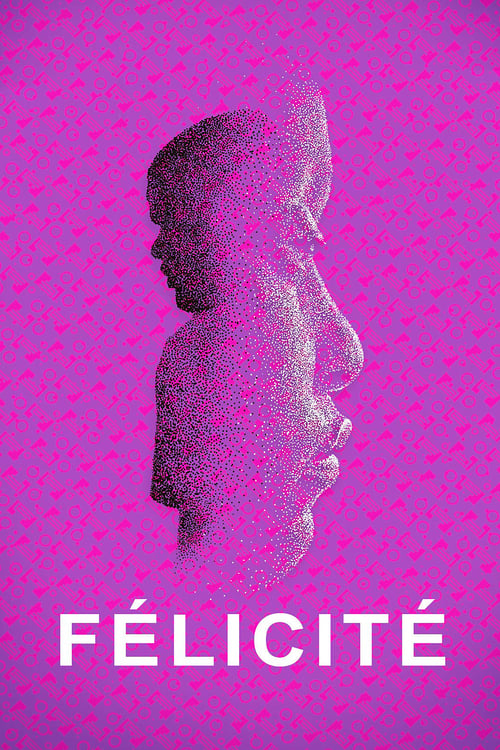
Félicité is a powerful exploration of intersecting identities, particularly focusing on the immigrant experience and the complexities of systemic barriers. It avoids simplistic racial stereotypes, offering a nuanced view of systemic inequalities. The film's strength lies in its portrayal of Félicité as a determined and emotionally deep character who drives the narrative. By highlighting her labor and survival, the film challenges traditional gender and socioeconomic hierarchies. However, the film lacks representation of LGBTQ+ identities and does not focus on specific disabilities. While it touches on the trauma of an accident, these elements remain secondary to the broader socioeconomic critique.
Category Breakdown
The film does not include any LGBTQ+ characters or explore non-straight relationships. The main romantic storyline focuses on a traditional heterosexual relationship.
Félicité is a strong and independent character rather than a submissive woman. The film challenges the typical nurturing mother stereotype by showing the hardships of being a single parent.
The film provides a detailed look at the experiences of Senegalese immigrants, avoiding the perspective that centers white characters. It offers authentic, non-tokenized representation of racial identity.
The narrative criticizes Western capitalist systems by depicting the economic framework as a precarious labor system. It highlights the tension between survival instincts and societal expectations.
The film does not focus on specific visible or invisible disabilities as primary identity markers. Instead, it explores the psychological impact of trauma and socioeconomic hardship.
Present on Screen
Limited or Absent
Official Synopsis
Félicité, a strong and proud woman, sings in bars in Kinshasa. She drifts away from reality when her 14-year-old son gets into an accident. In electric Kinshasa, she wanders in a world of music & dreams... until love unexpectedly brings her back to life.
2014

2013
2014
2017
2002
2015

2018
2014
No reviews yet. Be the first to share your thoughts on this movie!
Use the rating form above to leave a star rating and optional review.