
Shiloh
1996
No user ratings available yet
Representation score: 2.0 out of 10
Representation Score
Minimal
1946
PassedDirector
LeRoy Prinz
Runtime
21 minutes
Average Rating
No ratings yetNew Showbiz Analysis
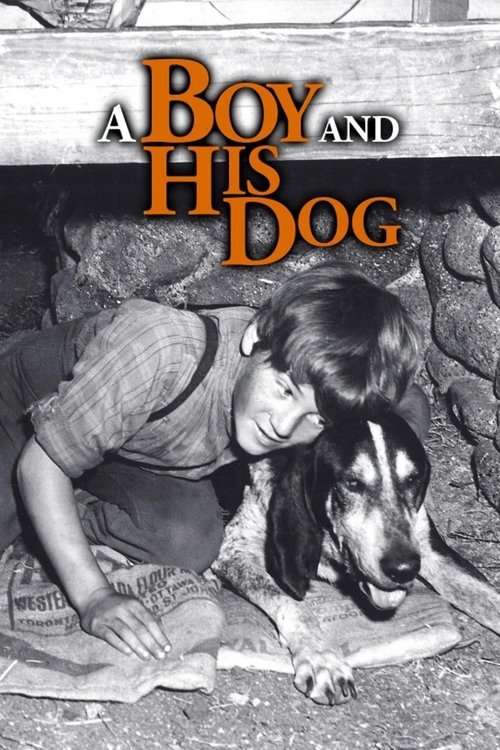
A Boy and His Dog is a classic mid-century family drama that centers on a child's relationship with a wounded animal. The film adheres to traditional moral structures of the time, focusing on individual kindness and local conflicts. The movie does not intentionally explore overlapping aspects of identity or challenge social hierarchies. Instead, it relies on familiar themes of innocence and personal morality. Overall, the film reflects the social norms and narrative conventions of 1940s family cinema, emphasizing individual ethics without broader societal critique.
Category Breakdown
The film does not include any characters with LGBTQ+ identities. The story revolves around a boy and his dog, emphasizing traditional bonds.
The main character, Davy, is a young boy whose actions are centered around nurturing and protecting others, typical of mid-century dramas.
The film seems to follow the standard casting practices of the time, with no indication of a diverse cast or non-Anglo-Saxon actors.
The story follows a conventional moral framework of the mid-20th century, emphasizing personal kindness without addressing broader cultural or secular issues.
There is no mention of characters with physical or cognitive differences in the film.
Present on Screen
Limited or Absent
Official Synopsis
11 year old Davy discovers that a chained gentle dog, Buck, is badly wounded around the neck because of the thick, tight collar he is made to constantly wear by his unfeeling owner. When Buck comes through the fence and becomes stuck, Davy removes the collar. Even though the boy tells him to stay in his owner's yard, the dog follows him home.
1996
1946

1961

1945

1983
1943
1947

1987
No reviews yet. Be the first to share your thoughts on this movie!
Use the rating form above to leave a star rating and optional review.