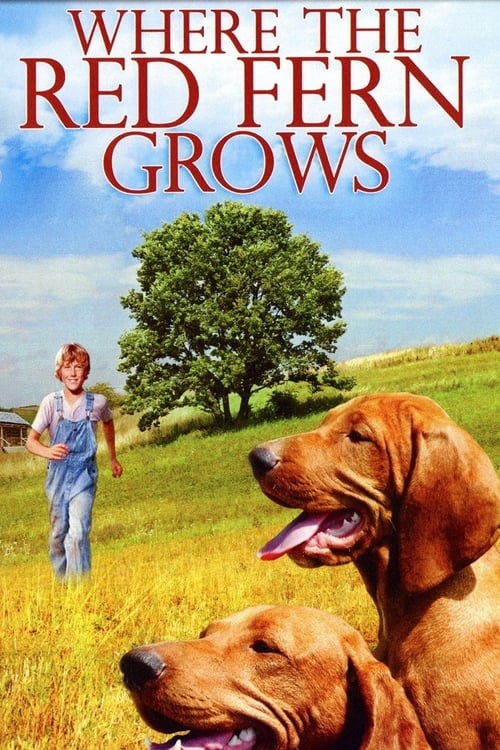
Where the Red Fern Grows
1974
No user ratings available yet
Representation score: 1.9 out of 10
Representation Score
Minimal
1972
GDirector
Vincent McEveety
Runtime
92 minutes
Average Rating
No ratings yetNew Showbiz Analysis
This film is a typical mid-century sentimental drama that emphasizes traditional social and familial norms. It centers on a localized coming-of-age story involving a boy and his dog. Although Johnny Whitaker's casting introduces some racial diversity, the narrative does not use this to critique broader social issues or explore multiple aspects of identity. The social landscape remains homogeneous and conventional. Overall, the film does not aim to challenge existing power dynamics or engage with diverse identities, instead upholding the established archetypes of its time.
Category Breakdown
The film adheres to a traditional framework focusing on domestic life. It does not explore or engage with queer identities or non-straight relationships.
The narrative upholds mid-century gender hierarchies through a patriarchal structure. The father holds the primary authority, while female roles remain conventional and supportive.
Lead actor Johnny Whitaker brings racial diversity to the film. However, the narrative lacks depth in exploring multiple aspects of identity. The setting reflects a homogeneous, rural community.
The story promotes conventional Western values related to family stability and responsibility. It reinforces traditional moral lessons without questioning Western institutions.
There are no prominent depictions of physical, sensory, or neurodivergent disabilities. Characters are portrayed within a standard range of abilities.
Present on Screen
Limited or Absent
Official Synopsis
Lonnie and Text are two friends determined, against all odds, to turn a misfit hound into a hero. Tennessee farmer and dog trainer Harve McNeil tells his son Lonnie that his dog, Moreover, is a good-for-nothing 'biscuit eater'.
1974
1945

1983
1946
1946
1957
1947

1987
No reviews yet. Be the first to share your thoughts on this movie!
Use the rating form above to leave a star rating and optional review.