
Shiloh
1996
No user ratings available yet
Representation score: 2.0 out of 10
Representation Score
Minimal
1999
PGDirector
Sandy Tung
Runtime
96 minutes
Average Rating
No ratings yetNew Showbiz Analysis
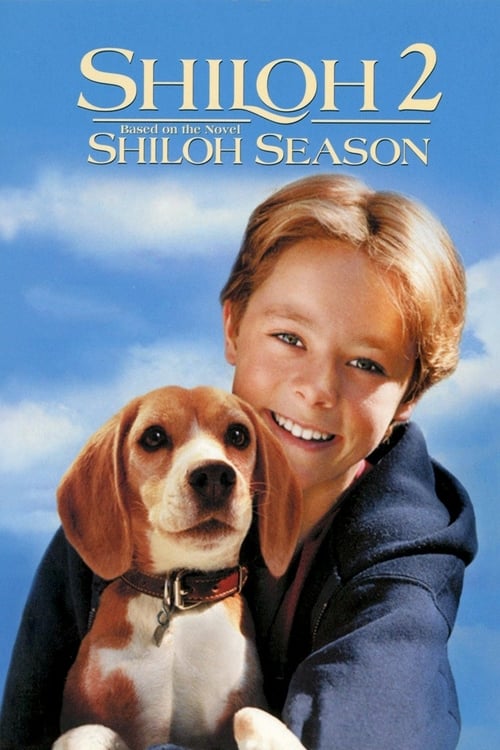
Shiloh 2: Shiloh Season operates as a conventional family drama that relies on established archetypes rather than social subversion. The plot focuses on a localized rivalry between male characters, reinforcing traditional masculine roles and Western moral structures. The film lacks multi-layered complexity, offering little representation for LGBTQ+ identities or diverse racial backgrounds. It functions within a homogeneous rural framework that prioritizes individual character reform over broader sociopolitical commentary.
Category Breakdown
The film does not include any LGBTQ+ characters or stories about non-cisgender identities. The narrative focuses solely on traditional ownership disputes and community interactions.
The story revolves around a conflict between male characters, Ray and Judd Travers, who embody conventional masculine roles such as the protector and the town drunk.
The setting implies a predominantly white, rural community with no indication of a diverse cast. The plot centers on local, traditional social structures.
The themes align with traditional Western moral frameworks emphasizing individual redemption. The film upholds standard community values without challenging established institutions.
Judd Travers is associated with alcoholism, but it is unclear if his condition is addressed with significance. There is insufficient evidence of disability representation.
Present on Screen
Limited or Absent
Official Synopsis
When Shiloh's abusive previous owner, Judd Travers, tries to retake Shiloh again, Ray tries to find a way to end the rivalry and open up the hidden kindness within the town drunk.
1996
1946

2004

2020
2012
2005

2013
2014
No reviews yet. Be the first to share your thoughts on this movie!
Use the rating form above to leave a star rating and optional review.