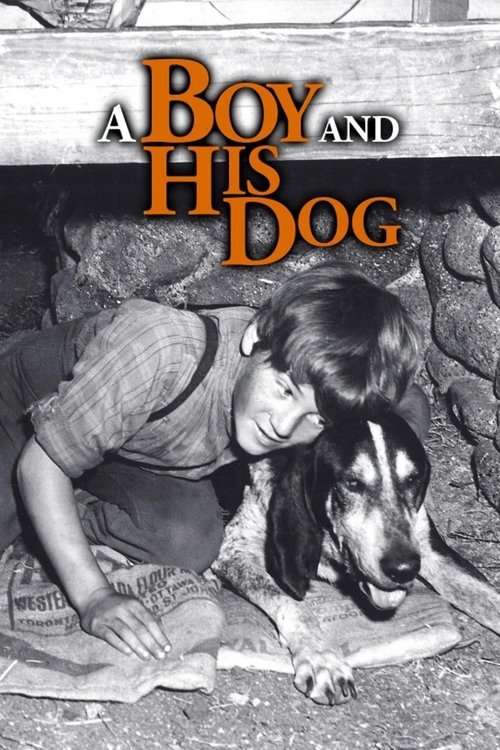
A Boy and His Dog
1946
No user ratings available yet
Representation score: 0.8 out of 10

Representation Score
Limited
1996
PGDirector
Chip Rosenbloom
Runtime
93 minutes
Average Rating
No ratings yetNew Showbiz Analysis
Shiloh is a traditional family drama that relies on established social hierarchies. The story focuses on a boy's bond with a dog and the tension between youthful empathy and parental authority. The film lacks representation of multiple aspects of identity, centering instead on a homogeneous rural environment. It follows conventional moral frameworks and does not attempt to disrupt traditional cultural norms or social structures. Ultimately, the narrative functions as a standard period-style drama, prioritizing themes of ownership and responsibility over diverse character perspectives.
Category Breakdown
The film follows conventional structures that assume everyone is straight or cisgender. There are no non-binary gender identities or same-sex relationships shown in the story.
The story reinforces traditional gender roles through a stern father figure. While Marty shows empathy, the film does not actively challenge these roles.
The story centers on a homogeneous rural setting. There is no indication of a multi-ethnic cast or diverse racial backgrounds among the main characters.
The film operates within a traditional Western framework emphasizing family loyalty and responsibility without challenging Western institutions like the nuclear family.
There is no evidence of characters with visible or invisible disabilities in the narrative.
Present on Screen
Limited or Absent
Official Synopsis
An abused beagle runs away from his owner. On the road, he meets young Marty Preston and follows him home. The boy immediately forms a bond with the dog and names him Shiloh. His stern father won't let him keep the dog because it belongs to Judd Travers, a local hunter. After Shiloh is mistreated again, he runs away and returns to Marty. Knowing his father will once again make him bring Shiloh back to Judd, he makes a home for the dog in an old shed up the hill from the Prestons' house and hides him from his family. His secret is soon discovered when a stray attacks the dog one night and he must turn to his father for help.
1946
1987

1961
2005

1983
1986

2004
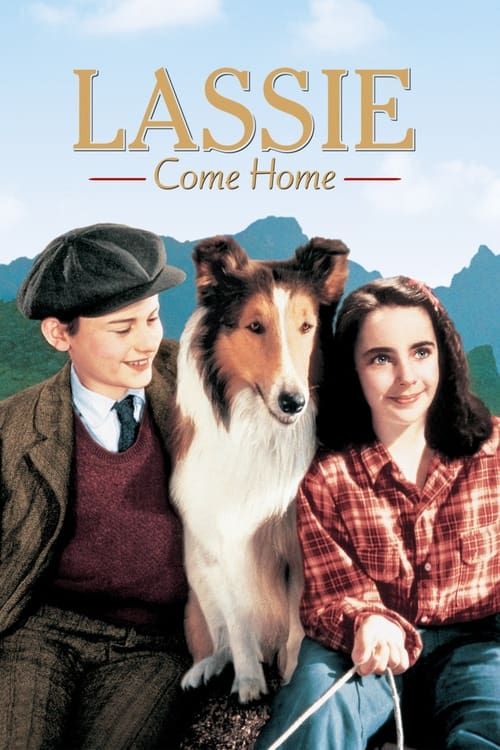
1943
No reviews yet. Be the first to share your thoughts on this movie!
Use the rating form above to leave a star rating and optional review.