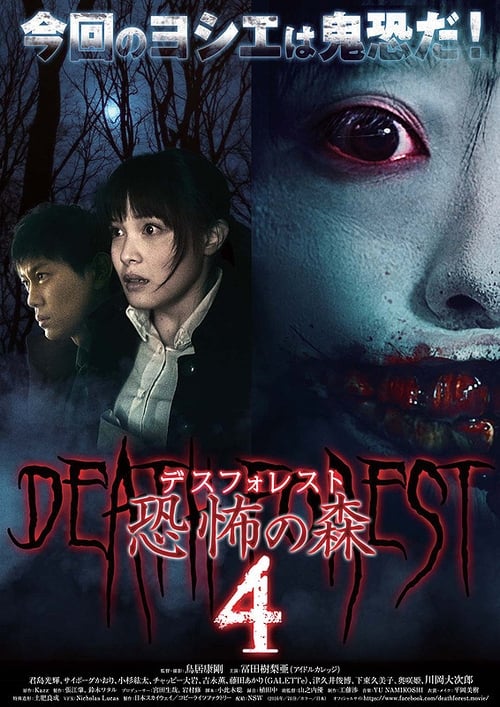
Death Forest: Forbidden Forest 4
2016
No user ratings available yet
Representation score: 3.3 out of 10
Representation Score
Fair
2015
Director
Yasutake Torii
Runtime
64 minutes
Average Rating
No ratings yetNew Showbiz Analysis
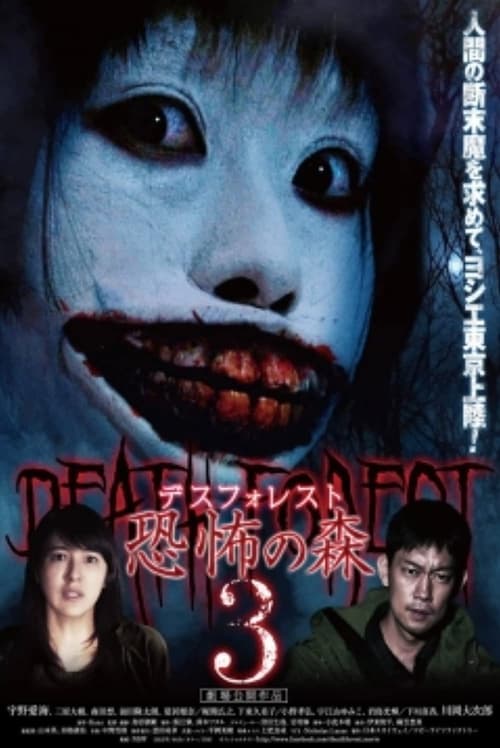
Death Forest: Forbidden Forest 3 functions as a traditional horror film that heavily relies on established genre conventions. While it highlights women's ability to drive the story through Mayu's efforts to escape a violent domestic situation, the narrative remains tied to conventional gender roles. The film's cultural focus is localized, critiquing the breakdown of the traditional family unit within a Japanese context. This provides a specific social critique, but it lacks the layered complexity needed for a more inclusive narrative. Overall, the film prioritizes survivalist horror over exploring disability or diverse identities in depth.
Category Breakdown
The film does not include any explicit references to LGBTQ+ characters or non-cisgender identities. Queer themes are not addressed in the plot, which centers on familial trauma and supernatural horror.
Uchida Mayu plays a central role as she tries to escape domestic violence. However, male characters fill traditional roles of aggressor and seeker.
The setting near Tokyo reflects the area's demographic homogeneity. There is no indication of intentional racial diversity or subversion of ethnic casting norms.
The story critiques the idealized family unit through Mayu's struggle with her stepfather. It emphasizes localized survivalist morality rather than broader socio-political commentary.
Descriptions of a hideous monster and a terrible-looking old person serve as horror clichés. There is no evidence of nuanced disability representation.
Present on Screen
Limited or Absent
Official Synopsis
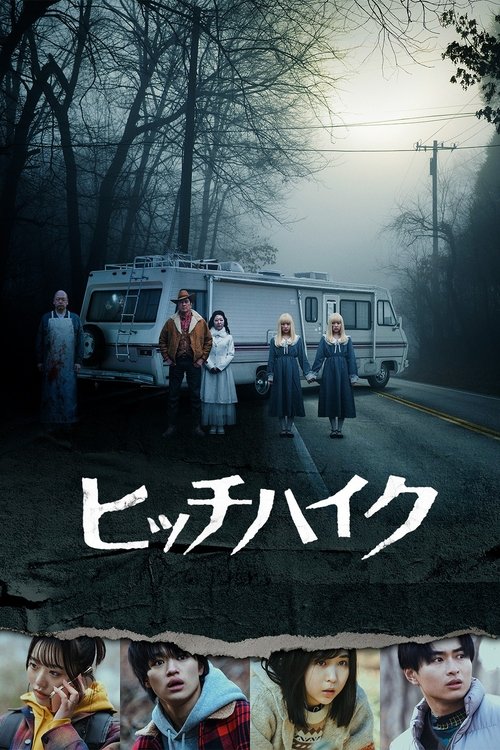
Uchida Mayu is a high school student in a peaceful town near Tokyo. She suffers from violence from her stepfather and plans to run away to her uncle's home in Tokyo. As she is about to board the last bus to Tokyo, a terrible looking old person causes her to miss the bus. She attempts to walk across a ridge. Meanwhile, Mayu's uncle Uchida Kazuki is a freelancer writer. He chases after the hideous monster Yoshie who attacks people. Kazuki receives a phone call that his niece Mayu ran away. He begins a search for her and finds her cellphone on a mountain path. He sees Yoshie's picture on her cellphone.
2016
2000
2016
2002
2005
2015
2001
2023
No reviews yet. Be the first to share your thoughts on this movie!
Use the rating form above to leave a star rating and optional review.