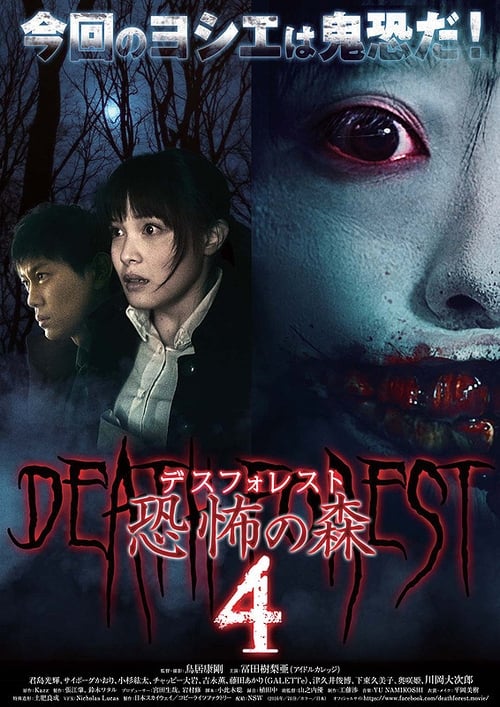
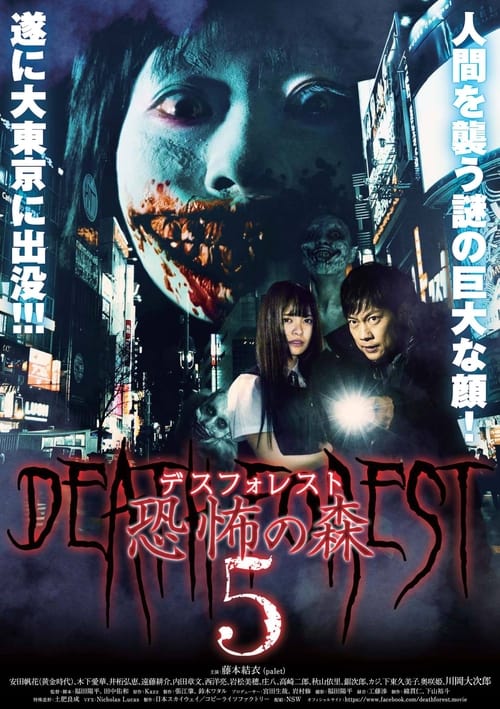
Death Forest: Forbidden Forest 4
2016
No user ratings available yet
Representation score: 3.3 out of 10
Representation Score
Limited
2016
Director
Yôhei Fukuda, Yuuka Tanaka
Runtime
92 minutes
Average Rating
No ratings yetNew Showbiz Analysis
Death Forest: Forbidden Forest 5 functions as a conventional J-Horror piece. It prioritizes suspense and individual survival over challenging social hierarchies or integrating diverse identities. The film relies heavily on established genre clichés. While it features a strong female lead, the narrative often positions her as a witness to violence or a target of supernatural terror. Ultimately, the film maintains a homogeneous social framework. It lacks significant evidence of intentional diversity or complex, identity-driven social critiques.
Category Breakdown
The film does not include explicit representations of LGBTQ+ identities or same-sex intimacy. The narrative centers on the protagonist's interactions with the supernatural entity.
Yui is the central female protagonist driving the plot. However, the story relies on traditional gender stereotypes, where male characters often intervene to save her from danger.
Set in Shibuya, the film focuses on a localized Japanese context. There is no evidence of intentional racial diversity or casting actors from different backgrounds.
The story adheres to standard horror conventions centered around survival. It does not challenge established cultural, religious, or systemic power structures.
There is no information about characters with visible or invisible disabilities. No neurodivergent or mental health conditions are portrayed.
Present on Screen
Limited or Absent
Official Synopsis
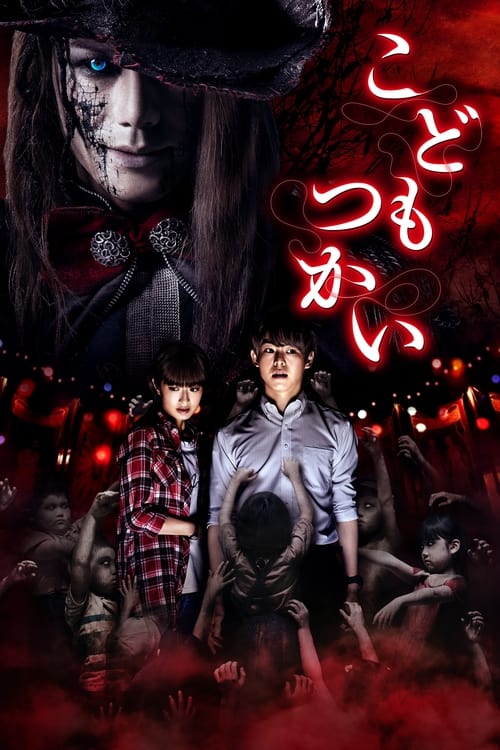
People begin to see the creepy white face monster Yoshie in Shibuya. At first, Yui is unable to see Yoshie, but when her friend is attacked and killed by Yoshie, Yui looks into the eyes of Yoshie. Yoshie is saved by a man and led to a room in a building. Meanwhile, writer Kazuki Uchida chases after Yoshie. The police begin to look for Kazuki as a key suspect in the disappearance of a group of people.
2016
2000
2015
2002
2015
2015
2000
2017
No reviews yet. Be the first to share your thoughts on this movie!
Use the rating form above to leave a star rating and optional review.