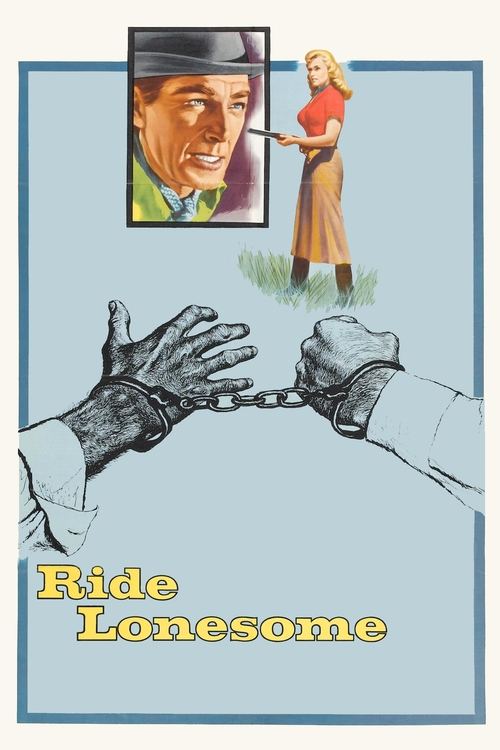
Ride Lonesome
1959
No user ratings available yet
Representation score: 0.6 out of 10

Representation Score
Minimal
1959
ApprovedDirector
John Sturges
Runtime
98 minutes
Average Rating
No ratings yetNew Showbiz Analysis
Last Train from Gun Hill is a classic mid-century Western that sticks closely to the genre's conventions of its time. It emphasizes traditional masculine figures and established social structures, presenting a straightforward moral divide between law and outlaws. The film does not explore multi-layered themes and instead upholds the social and cultural norms of the 1950s. It features a homogeneous cast and a male-centric structure that supports existing power dynamics without challenging them.
Category Breakdown
The film does not include any characters with non-binary gender identities or LGBTQ+ orientations. The relationships and conflicts are centered around traditional masculine bonds without any queer elements.
The story focuses on a male-dominated hierarchy where women play minor roles as catalysts for male actions rather than having their own independent roles.
The cast is mostly made up of white actors, reflecting a Western perspective. There are no characters from diverse racial or ethnic backgrounds.
The film upholds traditional Western institutions and the sanctity of the law. It does not question capitalism, patriotism, or the traditional Western family structure.
The film does not address neurodivergence or physical disabilities. Any depiction of physical vulnerability is tied to typical genre violence rather than real-life experiences.
Present on Screen
Limited or Absent
Official Synopsis
A marshal tries to bring the son of an old friend, an autocratic cattle baron, to justice for the rape and murder of his wife.
1959
1960

1958
1956
1973
1967
1957
1971
No reviews yet. Be the first to share your thoughts on this movie!
Use the rating form above to leave a star rating and optional review.