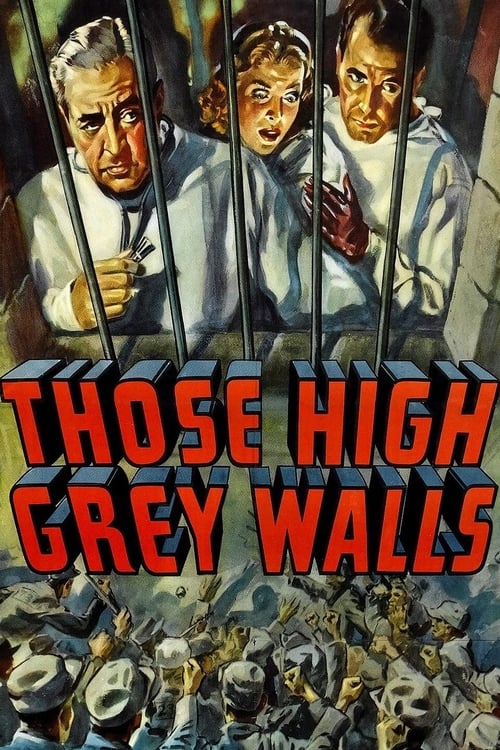
Those High Grey Walls
1939
No user ratings available yet
Representation score: 3.0 out of 10
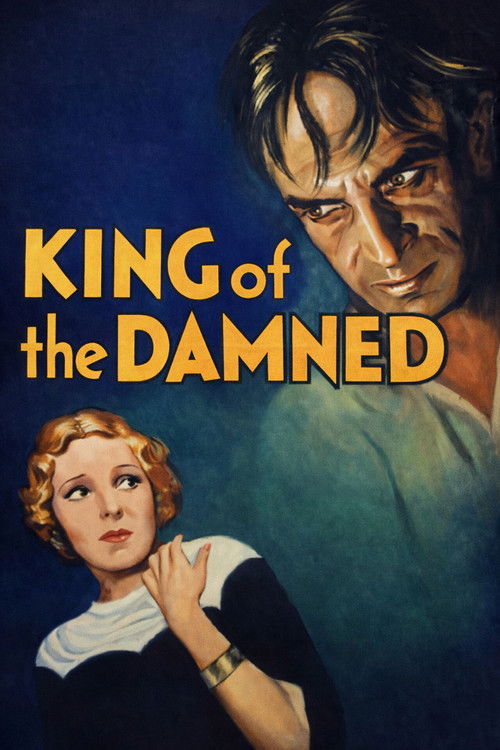
Representation Score
Minimal
1935
ApprovedDirector
Walter Forde
Runtime
81 minutes
Average Rating
No ratings yetNew Showbiz Analysis
King of the Damned is a period action film that prioritizes institutional critique over identity-based representation. While it lacks diverse representation in terms of race, gender, and sexuality, it provides a unique thematic perspective on social reorganization. The film stands out by portraying prisoners as architects of a new social order. This focus on collective action and the pursuit of a productive community offers a rare moment of social commentary for 1935. Ultimately, the work remains a product of its time, reflecting the constraints of mid-1930s filmmaking. It focuses on class and institutional struggles rather than the diverse demographic inclusion seen in modern cinema.
Category Breakdown
The film follows the straight-centered conventions of 1935 British cinema. There are no non-cisgender gender identities or same-sex relationships shown.
The action and crime genre usually emphasizes male leadership and physical strength. The film likely adheres to traditional patriarchal structures without giving much power to female characters.
The penal colony setting seems to reflect the era's preference for homogeneous casting. There is no record of a non-Anglo-Saxon majority cast.
The narrative challenges authority by depicting a revolt as an effort to create a humane, self-governing community. This offers a critique of oppressive institutions.
There is no information about characters with disabilities. No such representation is used as a narrative device.
Present on Screen
Limited or Absent
Official Synopsis
Revolt on a prison island is a parable of workers revolution. A cruel and repressive penal colony is the setting for a prison revolt with a special twist...the prisoners want to stay on and govern themselves in a humane and productive working community. Well that's the theory anyway but circumstances make their venture a lot more complicated than that.
1939

1947

1942

1925
1940

2010

1988

2001
No reviews yet. Be the first to share your thoughts on this movie!
Use the rating form above to leave a star rating and optional review.