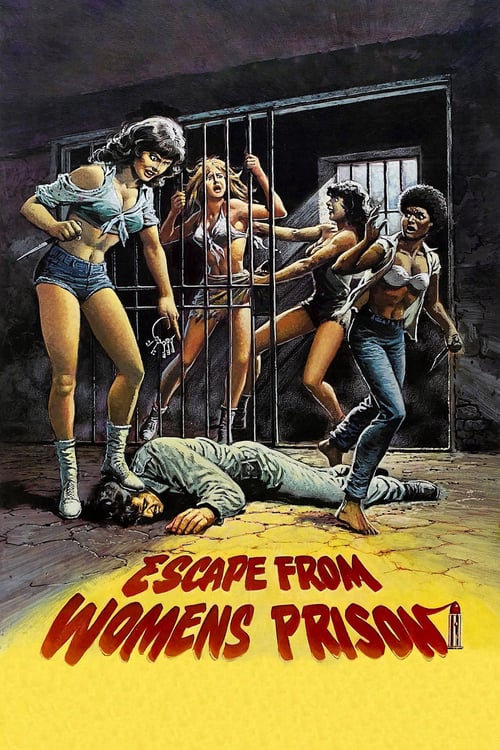
Escape from Women's Prison
1978
No user ratings available yet
Diversity score: 3.0 out of 10
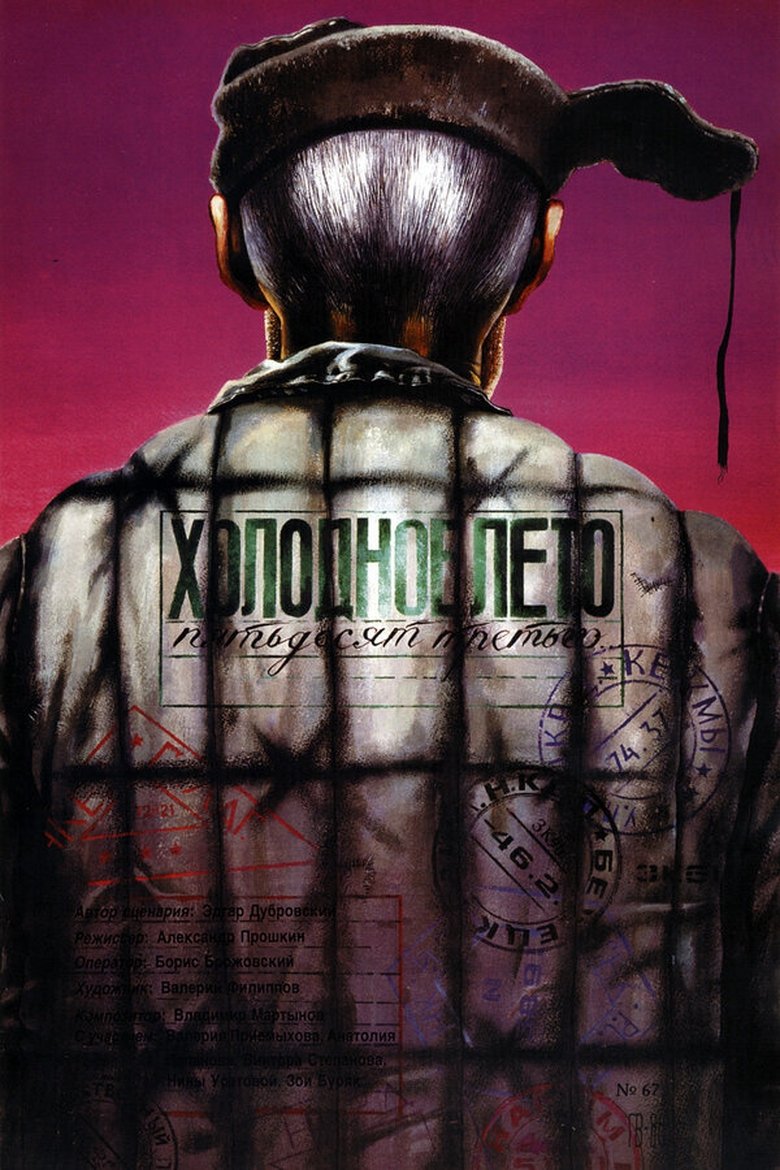
1988
Director
Aleksandr Proshkin
Average Rating
No ratings yetSynopsis
In 1953, the year Stalin died, many prisoners (some political, but mostly common criminals) were released from the Soviet Gulags. This is the story of a remote settlement which was under attack by a bunch of these recently-released blood-thirsty thugs in the summer of 1953, and the townspeople, along with a two political prisoners, who try to stop them.
Overall Score
Fair
Category Breakdown
LGBTQ+ Representation
The film lacks LGBTQ+ characters or narratives exploring non-heteronormative identities. It focuses on socio-political tensions between prisoners and criminals in a mid-century setting.
Gender Representation
The narrative prioritizes male-driven action and physical confrontation. The focus on thugs and townspeople suggests a reliance on traditional gender roles common in 1950s crime dramas.
Racial & Ethnic Diversity
The cast likely reflects the ethnic composition of the 1953 Soviet Union. However, the film may prioritize a homogeneous depiction of the local population over intentional intersectional casting.
Religious & Cultural Diversity
The story critiques power structures by exploring the instability following Stalin's death. It highlights the chaos and systemic failure caused by the Gulag system and state-driven social engineering.
Disability Representation
There is no evidence that disability, neurodivergence, or chronic illness are central to the character arcs or plot mechanics.
Strengths
Areas for Improvement
AI Analysis
The film operates as a historical crime drama centered on the volatile aftermath of Stalin's death. It finds its strength in exploring the human fallout of systemic instability and the friction between state structures and individual agency. While the narrative engages with complex socio-political dynamics, it lacks modern intersectional markers. The focus remains on the conflict between political prisoners and criminals within a traditional mid-century framework. Ultimately, the work provides a critique of centralized institutions, though it offers little in the way of diverse identity representation beyond the ethnic realities of the Soviet era.
1978
1959

1991

2002

2008
1983

1948

1983
No reviews yet. Be the first to share your thoughts on this movie!
Use the rating form above to leave a star rating and optional review.