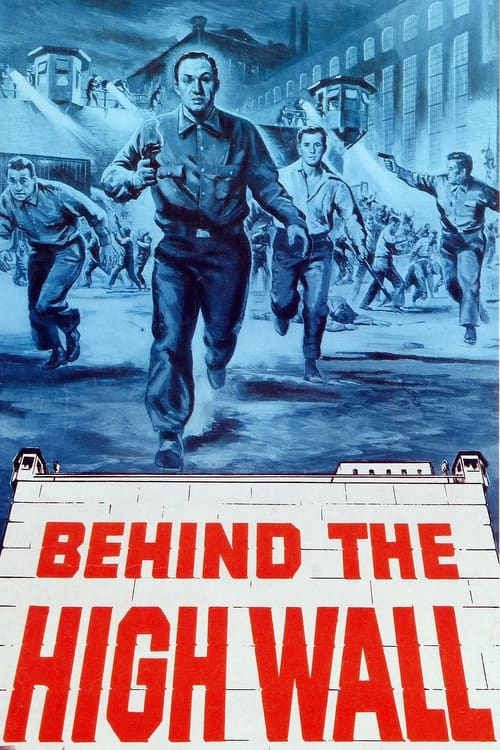
Behind the High Wall
1956
No user ratings available yet
Representation score: 3.6 out of 10
Representation Score
Minimal
1948
NRDirector
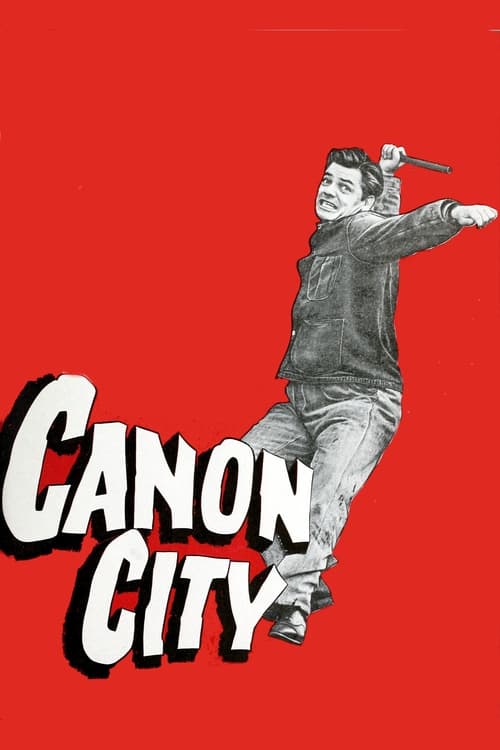
Crane Wilbur
Runtime
82 minutes
Average Rating
No ratings yetNew Showbiz Analysis
Canon City is a product of its time, emphasizing the standard crime and action clichés of mid-century cinema. The story focuses on the conflict between lawbreakers and authority figures, upholding traditional institutional structures. The film lacks depth in representing various identities, focusing instead on the conventional norms of the era. It operates as a straightforward procedural drama without challenging social hierarchies or exploring diverse backgrounds. Ultimately, the film adheres to the homogeneous casting and social norms of 1948, providing a clear but narrow perspective on crime and action genres.
Category Breakdown
The film does not include any LGBTQ+ characters or non-straight relationships, sticking to the typical heterosexual norms of 1948 crime films.
The story emphasizes masculine actions and physical struggles between prisoners and police. Women are likely confined to supporting or domestic roles within this genre.
It likely follows the homogeneous casting practices of the late 1940s, showing no signs of a diverse cast or significant racial integration in its portrayal of law enforcement.
The plot centers on enforcing law and order through Western institutions, reinforcing state authority without questioning the justice system.
There is no indication of characters with physical or neurodivergent disabilities in the film.
Present on Screen
Limited or Absent
Official Synopsis
Prisoners battle each other -- and the police -- when they escape the Colorado State Penitentiary.
1956
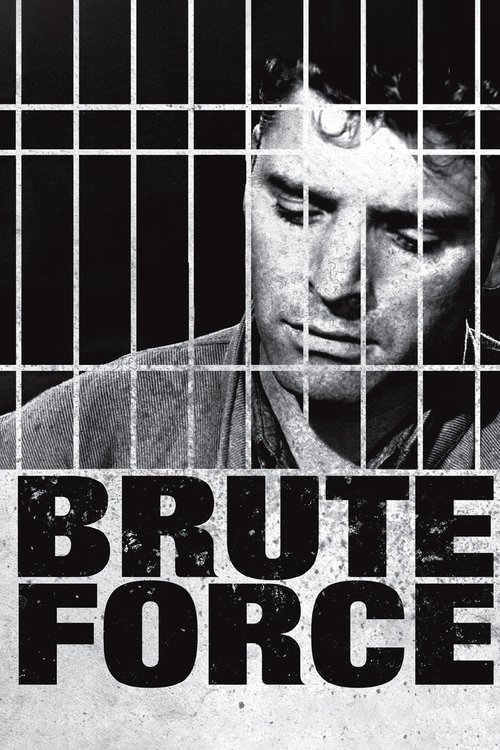
1947
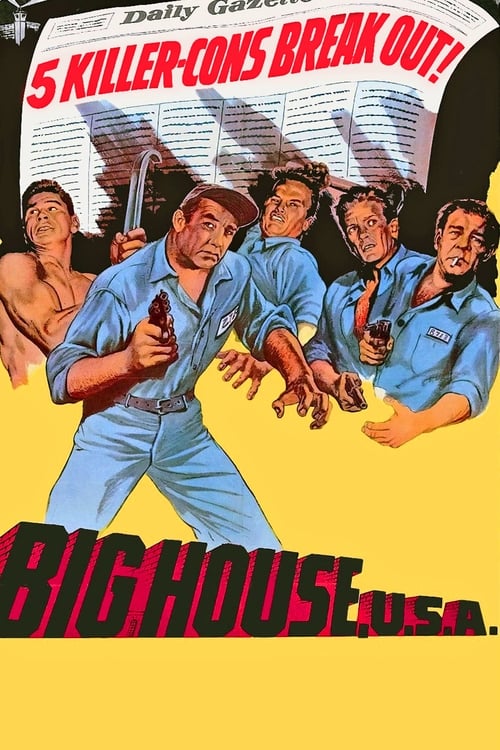
1955
1966
1956
1968
1969
1941
No reviews yet. Be the first to share your thoughts on this movie!
Use the rating form above to leave a star rating and optional review.