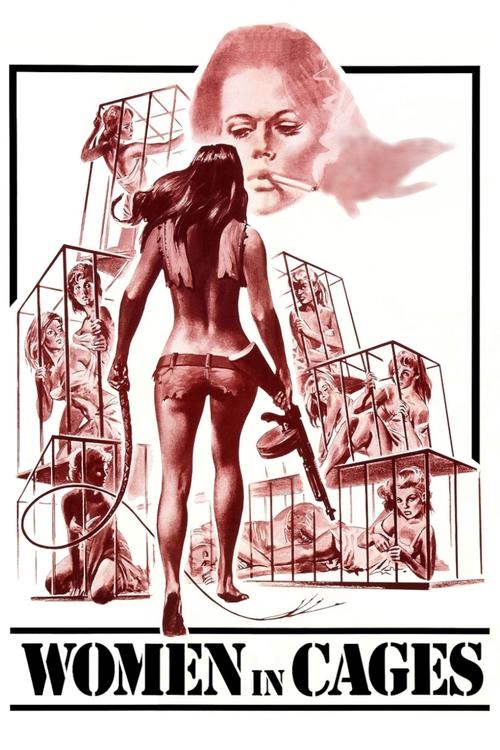
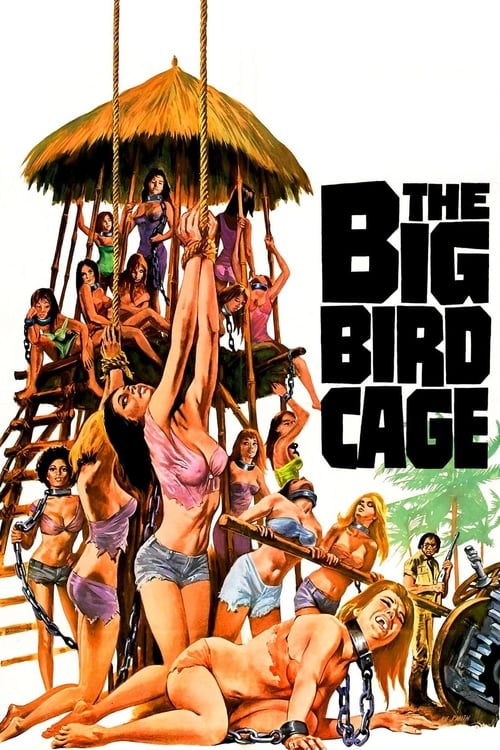
Women in Cages
1971
No user ratings available yet
Representation score: 5.1 out of 10
Representation Score
Fair
1972
RDirector
Jack Hill
Runtime
96 minutes
Average Rating
No ratings yetNew Showbiz Analysis
The film stands out for its gender dynamics, centering a high-stakes rebellion led by women against a male-dominated carceral system. This shift in ability to act provides a moderate level of representation for its era. However, the work is limited by a lack of multi-layered depth. The cast is demographically homogeneous, and the narrative fails to engage with LGBTQ+ identities or disability representation. Ultimately, while the film disrupts traditional authority through its female-centric conflict, it remains a product of its time, lacking broader racial or cultural diversity.
Category Breakdown
The film does not include any identifiable LGBTQ+ characters or storylines. It follows the standard social frameworks of its era without incorporating queer perspectives.
The narrative challenges traditional hierarchies by centering a female-led rebellion against a carceral system. Women play a significant role in driving the story against systemic oppression.
The cast is predominantly white, reflecting the production standards of 1970s exploitation cinema. It lacks significant racial blending or diverse casting.
The film critiques institutional corruption through its depiction of dehumanizing slave labor. However, these themes serve primarily as genre clichés rather than deep ideological critiques.
There is no significant portrayal of characters with visible or invisible disabilities. The focus remains on the physical struggle of the inmates.
Present on Screen
Limited or Absent
Official Synopsis
Women rebel against slave labor in a filthy jungle prison where they feed sugar cane to a mechanical maw.
1971
1972
1978

1972
1975

1975

1971
1974
No reviews yet. Be the first to share your thoughts on this movie!
Use the rating form above to leave a star rating and optional review.