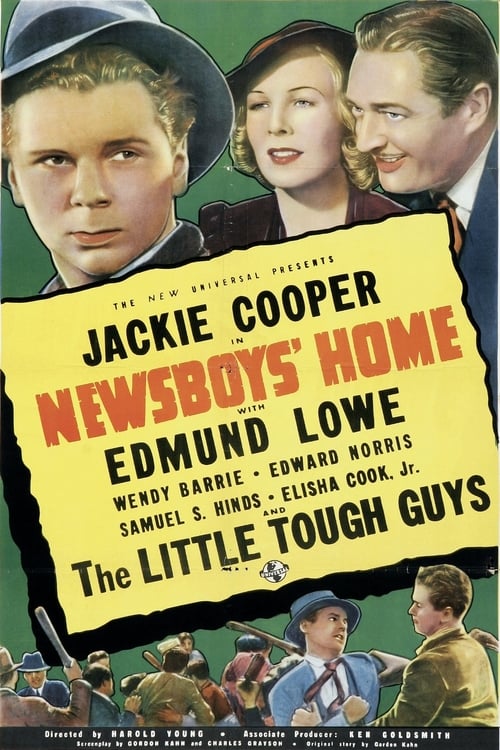
Newsboys' Home
1938
No user ratings available yet
Representation score: 1.2 out of 10
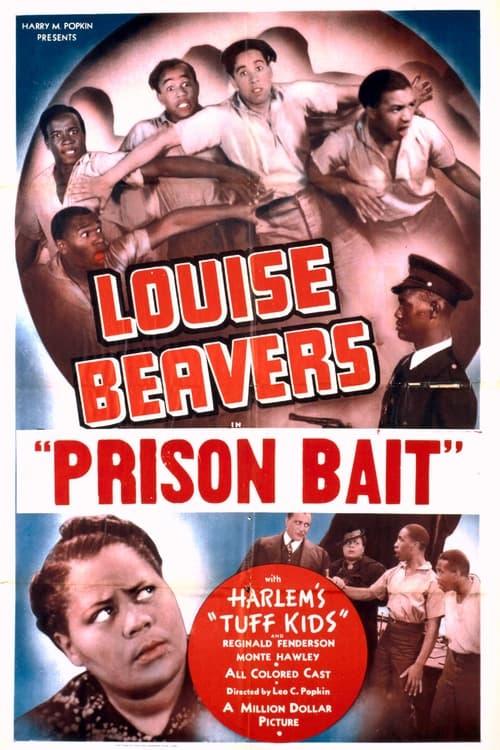
Representation Score
Limited
1939
ApprovedDirector
Leo C. Popkin
Runtime
82 minutes
Average Rating
No ratings yetNew Showbiz Analysis
Reform School offers a localized subversion of gendered power dynamics by placing a woman in a position of institutional authority. However, the film remains confined by the social norms of its time, lacking broader demographic diversity. While the protagonist's ability to drive the story is progressive, the film adheres to the conventions of its era, reflecting narrow social structures.
Category Breakdown
The film does not include any characters with LGBTQ+ identities or non-straight relationships.
The story centers on a female warden who demonstrates strong leadership and competence in a state institution. This portrayal provides a meaningful depiction of female authority.
The film likely reflects the homogeneous demographics of the late 1930s. There is no evidence of a racially diverse cast.
The plot examines the conflict between institutional authority and individual reform within the moral frameworks of its era.
There is no evidence of characters with visible or invisible disabilities in the film's narrative or historical records.
Present on Screen
Limited or Absent
Official Synopsis
A female warden takes over at a state reform school and attempts to bring about needed changes. Restored in 2020 by the Academy Film Archive with additional funding from the National Endowment for the Arts from a 16mm print donated by Giancarlo Esposito and Laurence Fishburne.
1938

1938
1939

1980

1975

1979
1938

2010
No reviews yet. Be the first to share your thoughts on this movie!
Use the rating form above to leave a star rating and optional review.