Men of San Quentin
1942
No user ratings available yet
Representation score: 0.6 out of 10
Representation Score
Limited
1939
ApprovedDirector
Charles Vidor
Runtime
80 minutes
Average Rating
No ratings yetNew Showbiz Analysis
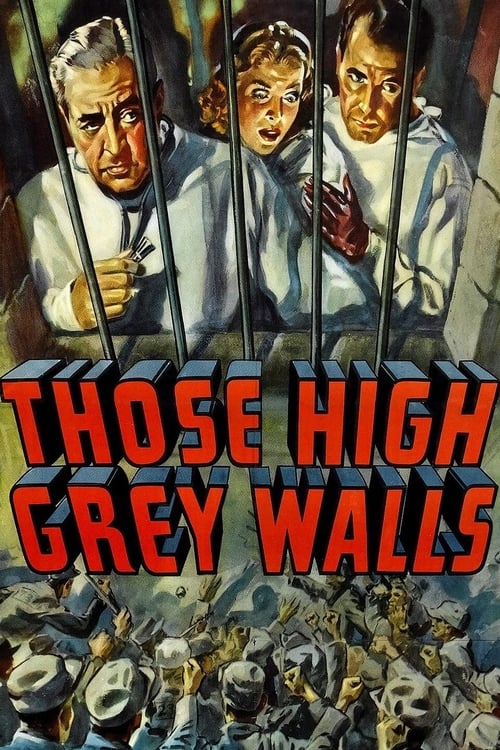
This 1939 drama functions as a traditional moral study centered on a doctor's professional ethics. The narrative prioritizes individual responsibility and conventional social hierarchies over systemic interrogation. The film lacks multi-layered complexity, reflecting the era's standard studio system. It relies on established archetypes, such as the benevolent male professional, to drive its ethical conflicts. Ultimately, the work reinforces mid-century social norms rather than challenging them, offering a narrow view of identity and ability to act.
Category Breakdown
The film does not include any LGBTQ+ identities or same-sex relationships. It follows the assumption that everyone is straight or cisgender, which was typical for films made in the 1930s.
Dr. MacAuley, a male figure of authority, plays a central role in the narrative. The story reinforces the idea of a paternalistic, stabilizing male professional within a male-dominated prison setting.
The film likely reflects the homogeneous demographics of the 1930s. It seems to follow Anglo-centric casting standards that exclude characters of color from central roles.
The story explores situational ethics and personal morality versus legal mandates. It focuses on individual conscience rather than providing a systemic critique of Western institutions.
Physical trauma is present through medical interventions, such as removing bullets. However, disability is used primarily as a plot device rather than for character development.
Present on Screen
Limited or Absent
Official Synopsis
Dr. MacAuley, a kindly, beloved country doctor, is sent to Fillmore Prison. His crime was for removing a bullet from a young man who was escaping from the police.
1942
1941
1939
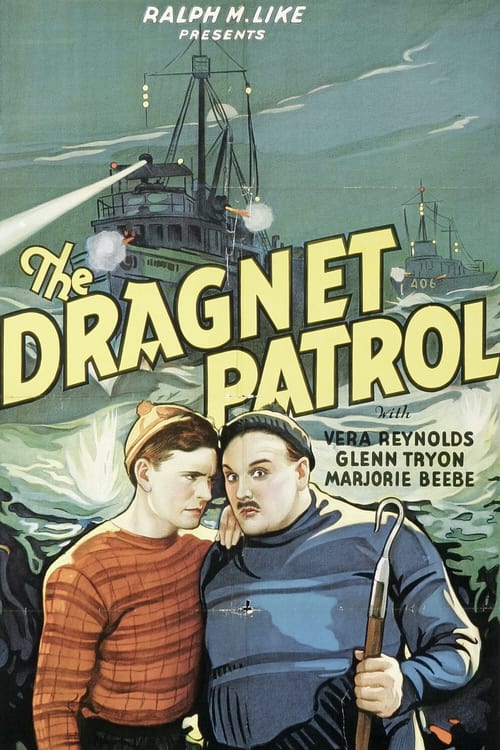
1931
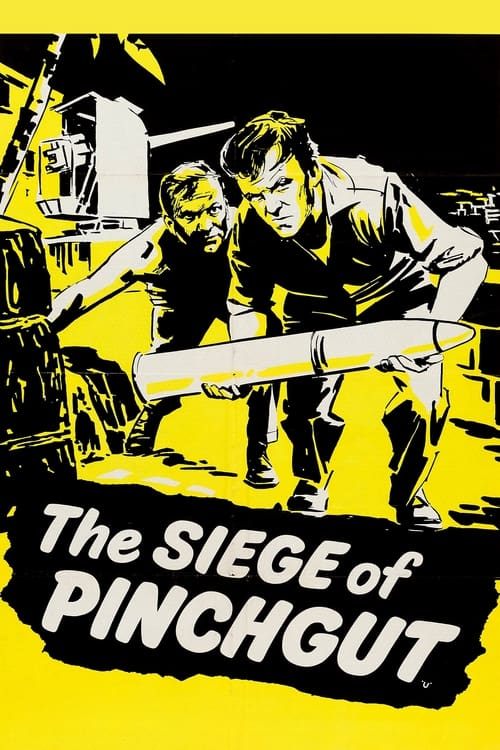
1959
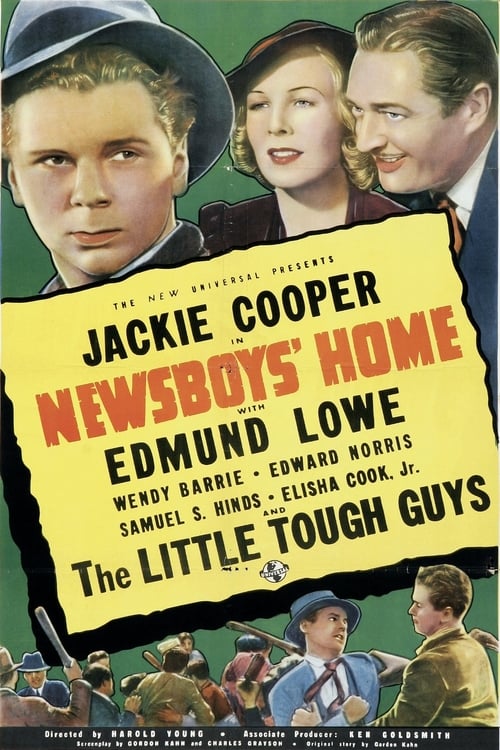
1938
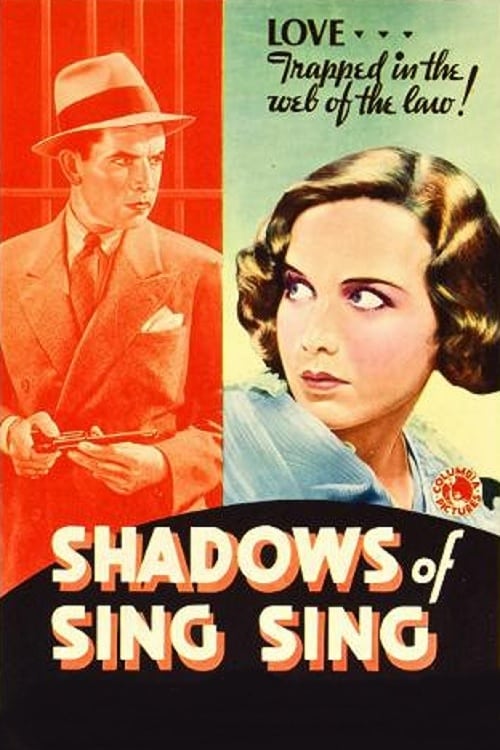
1933

1948
No reviews yet. Be the first to share your thoughts on this movie!
Use the rating form above to leave a star rating and optional review.