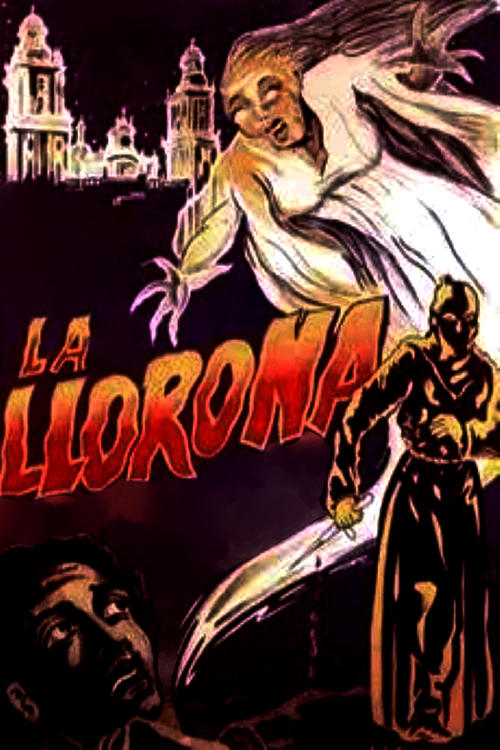
The Crying Woman
1933
No user ratings available yet
Representation score: 3.8 out of 10
Representation Score
Minimal
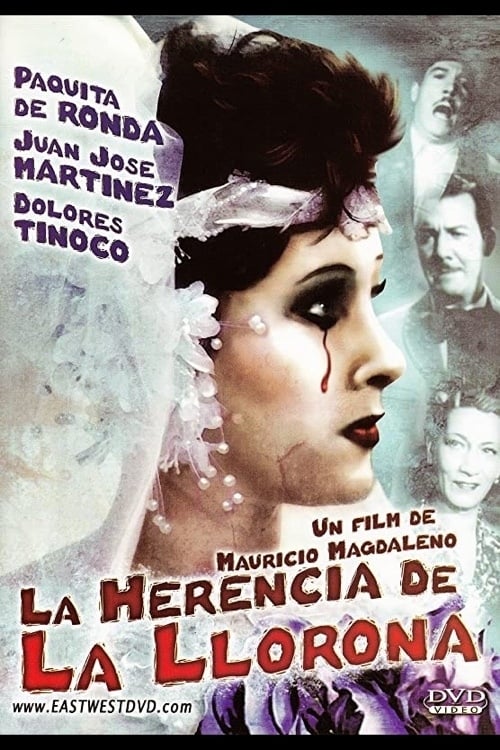
1947
Director
Mauricio Magdaleno
Average Rating
No ratings yetNew Showbiz Analysis
Mauricio Magdaleno’s work stands as a quintessential example of mid-century regional melodrama. It excels in ethnic authenticity by centering Mexican, indigenous, and mestizo social realities, providing a non-Western perspective. However, the film remains deeply conservative regarding social structures. It reinforces traditional gender hierarchies and moral institutions, reflecting the era's social constraints through its focus on maternal sacrifice and religious values.
Category Breakdown
The film does not include any LGBTQ+ characters or non-straight relationships. It follows traditional romantic archetypes and social structures common in 1940s Mexican cinema.
Gender roles in the film reinforce traditional hierarchies, emphasizing women's roles as caregivers and mothers. Women's character arcs focus on emotional labor and maternal sacrifice, aligning with domestic and family expectations.
The film offers high cultural authenticity by centering Mexican identity and avoiding whitewashing. It focuses on indigenous and mestizo social realities within a rural hacienda setting.
The narrative emphasizes traditional values and religious institutions. It centers on preserving reputation and lineage, reflecting the era's social norms.
The film does not depict any physical or neurodivergent disabilities that play central roles in the narrative or character development.
Present on Screen
Limited or Absent
Official Synopsis
A hacienda seem to be haunted by La Llondra, the crying woman.
1933

1964
1963

1969
2007
1962
1980
1975
No reviews yet. Be the first to share your thoughts on this movie!
Use the rating form above to leave a star rating and optional review.