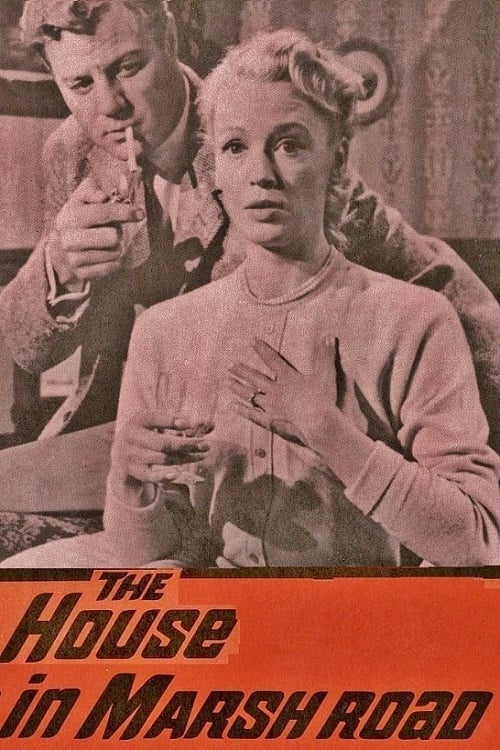
The House in Marsh Road
1960
No user ratings available yet
Representation score: 1.1 out of 10
Representation Score
Limited
1963
ApprovedDirector
Rafael Baledón
Runtime
80 minutes
Average Rating
No ratings yetNew Showbiz Analysis
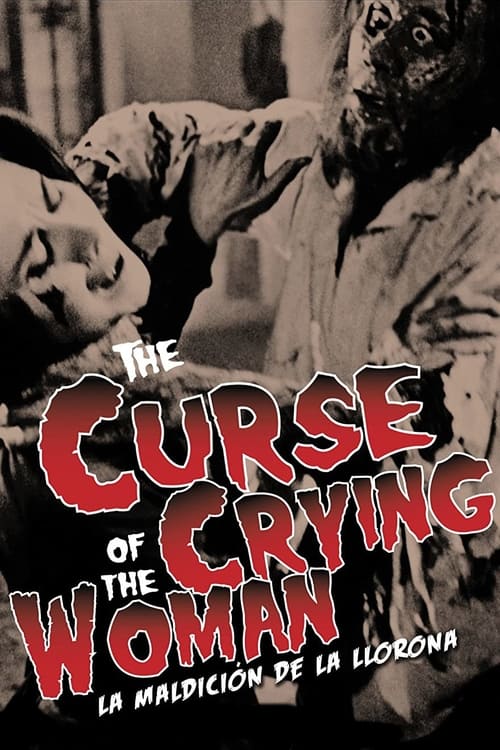
The film is a product of its 1963 Mexican cinematic context, relying heavily on established genre clichés. While it offers a non-Western perspective through the use of local folklore, it does not aim to challenge social structures. The narrative structure is traditionally focused on atmospheric tension and the gothic cliché of a haunted inheritance. It lacks the complexity or intentional subversion needed for a higher diversity rating. Ultimately, the work functions as a standard genre piece reflecting the cultural norms of its era rather than disrupting them.
Category Breakdown
The film does not depict any non-straight or non-cisgender identities and lacks same-sex intimacy. It adheres to traditional structures typical of 1960s horror films.
A young woman gains importance through inheriting a mansion but remains vulnerable to supernatural threats. The film relies on traditional archetypes of witches and victims without challenging gender hierarchies.
As a Mexican production, the film offers a non-Anglo-Saxon perspective. However, the casting reflects the domestic cultural norm without actively disrupting racial hierarchies.
The story uses the La Llorona legend and supernatural elements. It follows a standard gothic inheritance cliché without critiquing Western or capitalist institutions.
There are no identifiable depictions of physical or neurodivergent disabilities. The narrative focuses solely on the haunting and supernatural elements.
Present on Screen
Limited or Absent
Official Synopsis
A young woman inherits a mansion, only to discover that it is haunted by witches and evil spirits.
1960
1977

1948
1972
1978

1961

1973
1963
No reviews yet. Be the first to share your thoughts on this movie!
Use the rating form above to leave a star rating and optional review.