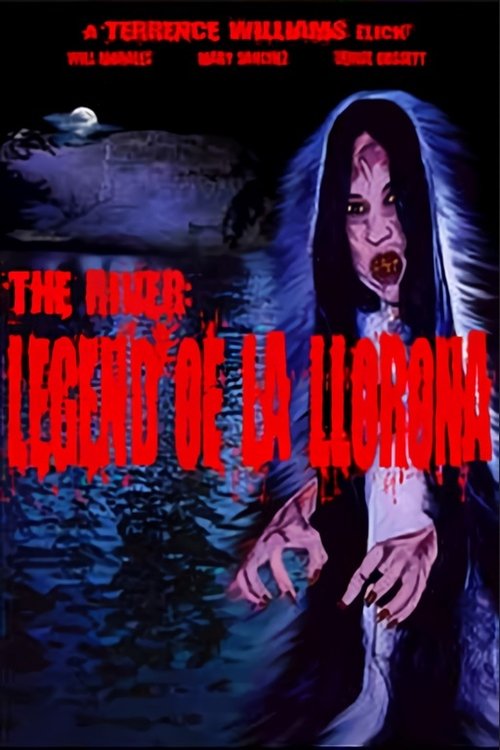
The River: Legend of La Llorona
2006
No user ratings available yet
Representation score: 1.3 out of 10
Representation Score
Good
2007
Director
Aurora Martínez
Runtime
80 minutes
Average Rating
No ratings yetNew Showbiz Analysis
The film deconstructs established folklore, shifting the focus from supernatural superstitions to a critique of systemic violence. It moves away from traditional horror clichés to explore psychological and social themes. By focusing on a female perspective on grief and injustice, the film challenges conventional horror narratives. It replaces the archetype of the 'mad woman' with a protagonist who uncovers historical truths. While culturally rich and gender-focused, the film lacks specific representation for LGBTQ+ identities and disabilities, resulting in a moderate overall diversity profile.
Category Breakdown
The film doesn't explicitly address non-straight identities. It avoids typical slasher movie clichés but doesn’t include overt LGBTQ+ characters.
The story focuses on women’s psychological depth and ability to act. It reinterprets the Llorona myth, moving away from the stereotype of female hysteria to a narrative of investigation.
Based on Latin American folklore, the film highlights non-Anglo-Saxon heritage. It tries to reclaim a cultural figure through a nuanced lens of indigenous or mixed heritage.
The film questions the sanctity of the home and family. It portrays domestic spaces as sites of hidden, violent truths and systemic failures.
There is no mention of physical or neurodivergent disabilities in the narrative.
Present on Screen
Limited or Absent
Official Synopsis
A woman dreams every night that she wanders around the city screaming for her dead children and realizes that the old house where she lives is actually the tomb of murdered children.
2006
2013

2021
2006

2012
2002

2011

2022
No reviews yet. Be the first to share your thoughts on this movie!
Use the rating form above to leave a star rating and optional review.