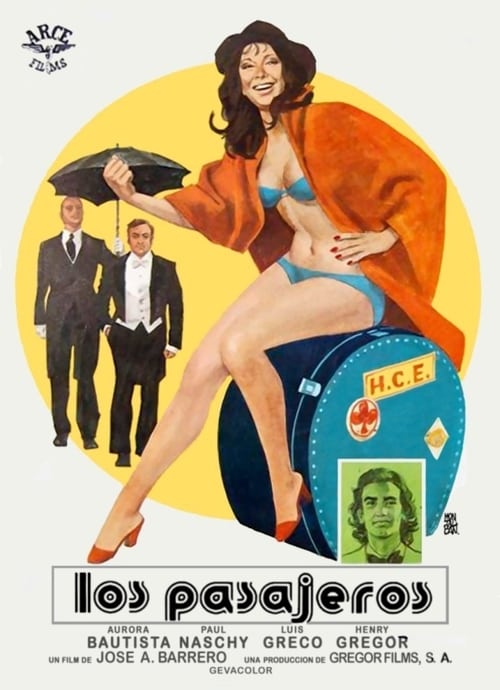
The Passengers
1975
No user ratings available yet
Representation score: 3.4 out of 10
Representation Score
Limited
1980
Director
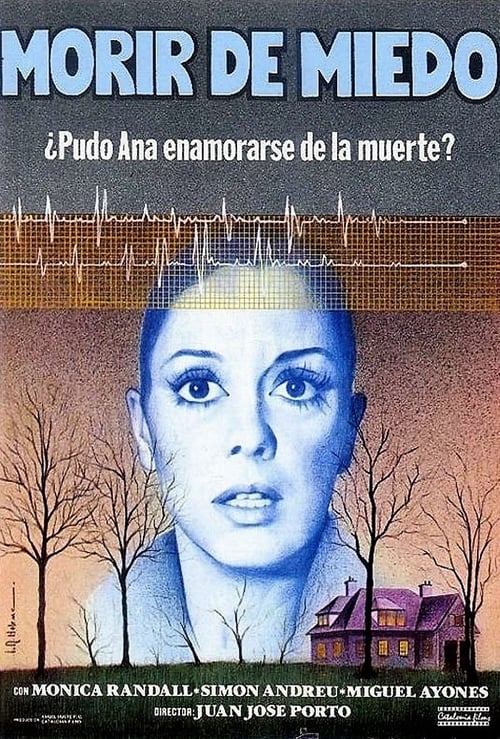
Juan José Porto
Runtime
85 minutes
Average Rating
No ratings yetNew Showbiz Analysis
Morir de miedo follows the conventional structure of 1980s horror, focusing on visceral elements like fear and mortality rather than challenging established power structures. The film does not show intentional efforts to explore multiple aspects of identity or diverse representation. Instead, it adheres to the social and narrative norms of its time. Ultimately, the film operates within traditional frameworks without attempting to disrupt them. It lacks the complexity needed to challenge established hierarchies or provide diverse, representative narratives.
Category Breakdown
The film does not include explicit representations of non-straight identities or stories that question the assumption that everyone is straight. It seems to follow the standard social norms typical of 1980s horror.
Mónica Randall has a prominent role, providing a central female presence. However, the story does not show characters challenging traditional gender roles or patriarchal norms.
As a Spanish-language film, it offers a non-Anglo-Saxon perspective. There is no clear evidence of a diverse cast or casting that challenges historical racial norms.
The themes focus on existential dread, fear, and mortality. There is no clear evidence of a narrative that questions Western cultural or moral norms.
While medical themes like heart attacks and hospitals are present, there is no clear indication of how disability is portrayed. It is unclear if characters have significant control over their lives or are just plot devices.
Present on Screen
Limited or Absent
1975
1977

1996
1964

1990

2017
2021
1987
No reviews yet. Be the first to share your thoughts on this movie!
Use the rating form above to leave a star rating and optional review.