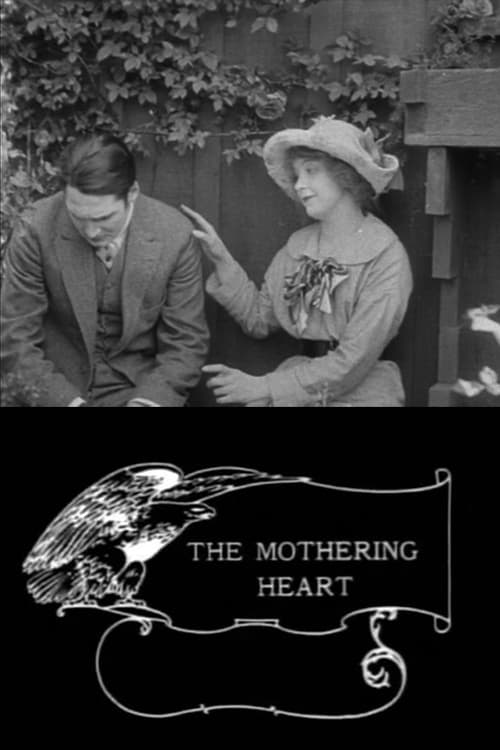
The Mothering Heart
1913
No user ratings available yet
Diversity score: 1.5 out of 10

1909
NRDirector
D.W. Griffith
Runtime
11 minutes
Average Rating
No ratings yetSynopsis
At the Italian boarding house the male boarders were all smitten with the charms of Minnie, the landlady's pretty daughter, but she was of a poetic turn of mind and her soul soared above plebeianism and her aspirations were romantic. Most persistent among her suitors was Grigo, a coarse Sicilian, whose advances were odiously repulsive. The arrival at the boarding house from the old country of Giuseppe Cassella, the violinist, filled the void in her yearning heart. Romantic, poetic and a talented musician, Giuseppe was indeed a desirable husband for Minnie.
Overall Score
Limited
Category Breakdown
LGBTQ+ Representation
The narrative focuses on heteronormative romantic pursuits. There is no evidence of non-cisnormative identities or critiques of heteronormativity.
Gender Representation
Minnie is a female protagonist whose agency is defined by her poetic mind and romantic choices. However, her role remains tethered to her desirability and feminine archetypes.
Racial & Ethnic Diversity
The film contrasts a coarse Sicilian with a talented, poetic musician. This distinction provides a nuanced portrayal of Italian identity rather than a monolithic caricature.
Religious & Cultural Diversity
The story adheres to traditional Western romantic structures and social hierarchies. It functions within a standard moral framework of romantic fulfillment.
Disability Representation
There is no evidence of characters with visible or invisible disabilities.
Strengths
Areas for Improvement
AI Analysis
At the Altar is a period melodrama that finds its most significant depth in its ethnic characterization. By presenting different modes of Italian identity, the film avoids the singular, stereotypical immigrant portrayals common to the era. However, the film's progressive value is limited by its adherence to traditional gender roles. The central plot remains anchored in romantic conventions and the fulfillment of social aspirations. Ultimately, while the film offers a layered view of ethnic identity, it lacks broader social critique or representation of non-normative identities.
1913

1911

1909
1929
1920
1912

1915

1912
1923
1921
1923
1930
No reviews yet. Be the first to share your thoughts on this movie!
Use the rating form above to leave a star rating and optional review.