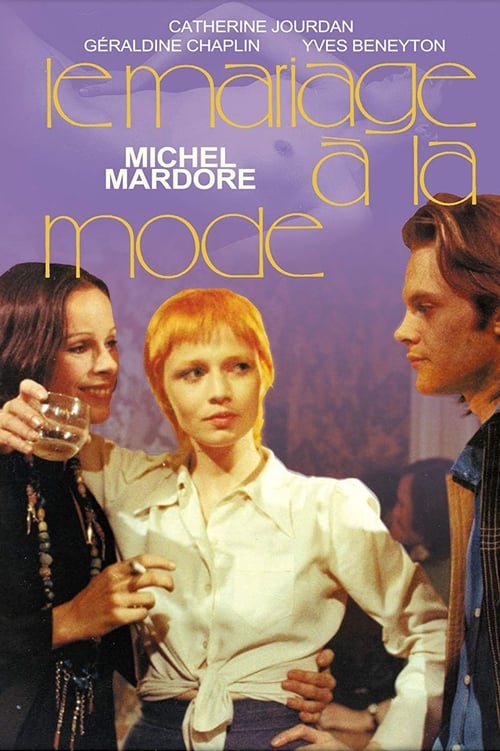
Marriage a la Mode
1973
No user ratings available yet
Representation score: 4.6 out of 10
Representation Score
Limited
1962
Director
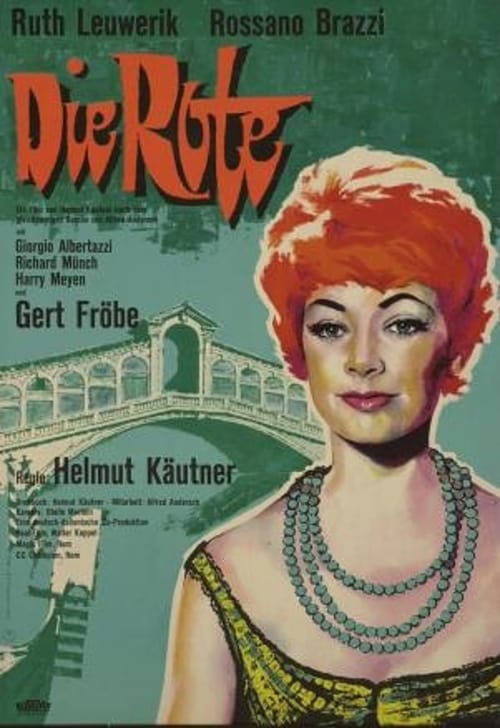
Helmut Käutner
Runtime
100 minutes
Average Rating
No ratings yetNew Showbiz Analysis
Helmut Käutner’s drama centers on individual autonomy and the psychological complexities of marital dissatisfaction. By focusing on Franziska’s decision to travel to Venice, the film moves away from traditional domestic narratives to explore women's ability to drive the story. However, the film remains rooted in the demographic norms of 1962 West German cinema. While it offers a nuanced look at personal liberation, it lacks depth in representing diverse racial or sexual identities. Ultimately, the work is a character-driven study of a woman seeking independence, though it operates within a relatively traditional mid-century social framework.
Category Breakdown
The film does not include any confirmed LGBTQ identities. The focus on a marriage suggests a traditional romantic storyline without clear queer undertones.
Franziska serves as a central protagonist who takes control of her life by leaving her marriage. This challenges traditional domestic roles by positioning her as the driver of her own journey.
Reflecting the era's demographic homogeneity, the film shows no evidence of non-white representation. The West German production and Venice setting suggest a limited racial scope.
The story explores the breakdown of the traditional family structure through personal dissatisfaction. It functions primarily as a psychological drama rather than a broader cultural critique.
There is no information available regarding the depiction of physical or neurodivergent characters in this film.
Present on Screen
Limited or Absent
Official Synopsis
Bored with her marriage, Franziska decides to travel to Venice.
1973
1954
1959

1964
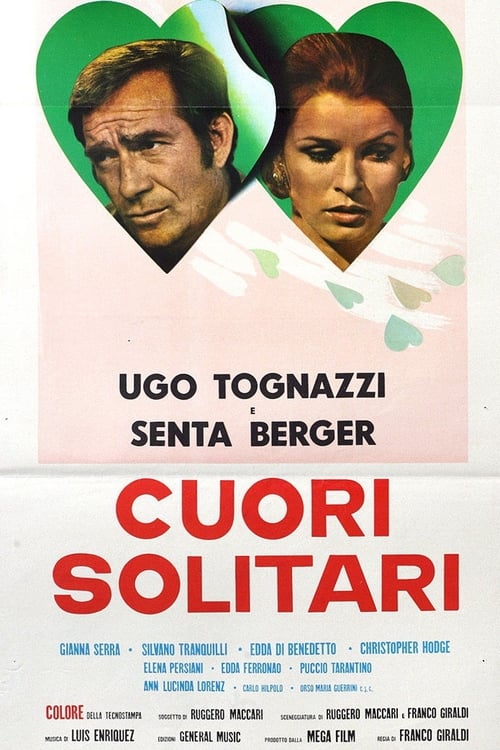
1970
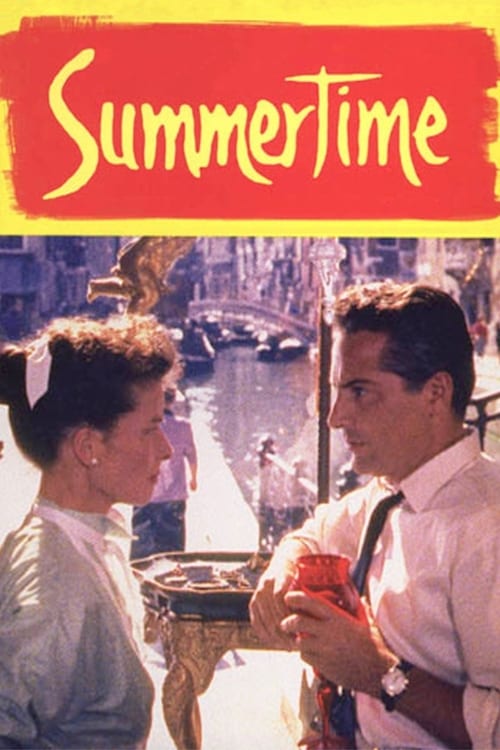
1955
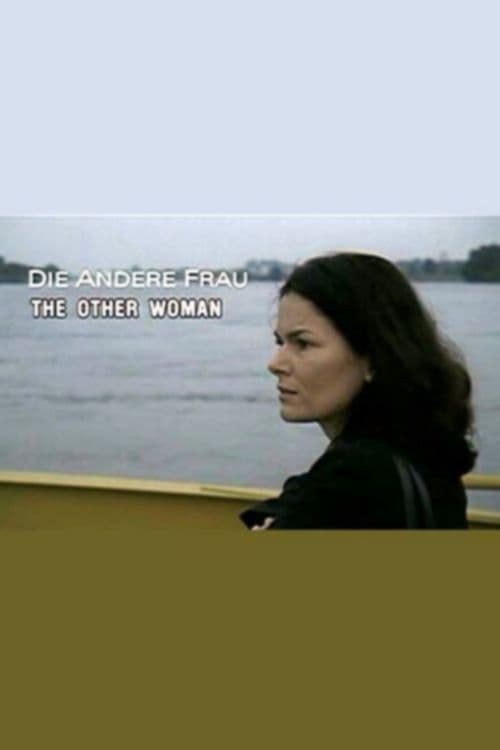
2004
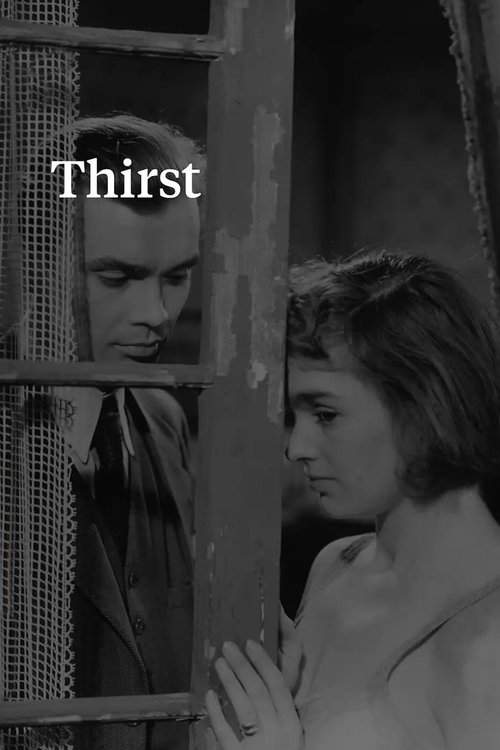
1949
No reviews yet. Be the first to share your thoughts on this movie!
Use the rating form above to leave a star rating and optional review.