Sex Is Beautiful
1973
No user ratings available yet
Representation score: 3.5 out of 10
Representation Score
Fair
1973
Director
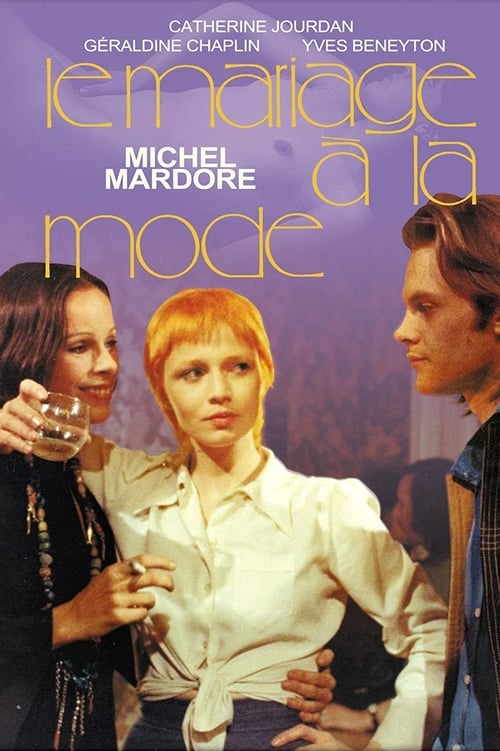
Michel Mardore
Runtime
105 minutes
Average Rating
No ratings yetNew Showbiz Analysis
Marriage a la Mode is a character-driven film that prioritizes individual freedom over societal norms. It excels by centering a female protagonist who resists the domestic confines of her time. The film effectively challenges traditional roles, especially through its exploration of queer relationships and female independence. By depicting marriage as a limiting factor, it promotes self-discovery. However, the film does not provide much visibility regarding racial or disability representation. Its focus remains on the psychological and social dynamics of gender and class.
Category Breakdown
The film challenges traditional expectations by focusing on a romantic relationship between two women. This relationship adds a layer of exploration into non-traditional gender identities.
The narrative criticizes traditional gender roles by showing the protagonist's marriage as confining. Her quest for independence highlights her strong sense of self.
There is no information about the racial makeup of the cast. The story focuses on class and gender-based social structures.
The film emphasizes personal freedom over traditional Western institutions such as marriage. It questions the restrictive nature of the family unit.
There is no mention of characters with physical or neurodivergent disabilities in the story.
Present on Screen
Limited or Absent
Official Synopsis
The main character is a woman trapped in the long stifling marriage in a boring province. She has an affair with a traveling photographer, follows him to Paris, and then has a series of unsatisfactory but interesting relationships, one of which is with a woman.
1973
1958
1989
1964

1965
1973

1961
1962
No reviews yet. Be the first to share your thoughts on this movie!
Use the rating form above to leave a star rating and optional review.