
The Misplaced World
2015
No user ratings available yet
Representation score: 5.1 out of 10
Representation Score
Fair
2004
Director
Margarethe von Trotta
Runtime
90 minutes
Average Rating
No ratings yetNew Showbiz Analysis
Margarethe von Trotta employs her expertise in New German Cinema to create a nuanced study of female subjectivity. The film’s primary strength lies in its rejection of conventional gender power dynamics, focusing instead on the woman’s internal perspective and reclaiming of selfhood. However, the film lacks broad diversity. It confines itself to a homogeneous European setting, offering limited representation of race, ethnicity, or LGBTQ+ identities. The focus remains narrow, prioritizing psychological realism over social diversity. Ultimately, the film serves as a specialized character study. While it excels in its detailed gendered lens, it offers minimal visibility for other underrepresented groups, resulting in a score that highlights thematic depth but lacks demographic variety.
Category Breakdown
The story focuses on a heterosexual relationship and the consequences of broken intimacy. It does not include explicit LGBTQ characters or narratives that challenge straight-centered structures.
The film overturns traditional gender hierarchies by emphasizing the female protagonist’s psychological autonomy. It avoids the 'scorned wife' cliché, highlighting female independence and inner experiences.
Set in post-reunification Germany and the Netherlands, the cast remains predominantly white. There is little evidence of racial or ethnic diversity within this specific European context.
The narrative explores European psychological realism rather than religious frameworks. It dismantles the traditional family unit, depicting the home as a place of instability.
There is no representation of physical or neurodivergent disabilities. The film’s exploration of identity stays within the psychological realm.
Present on Screen
Limited or Absent
Official Synopsis
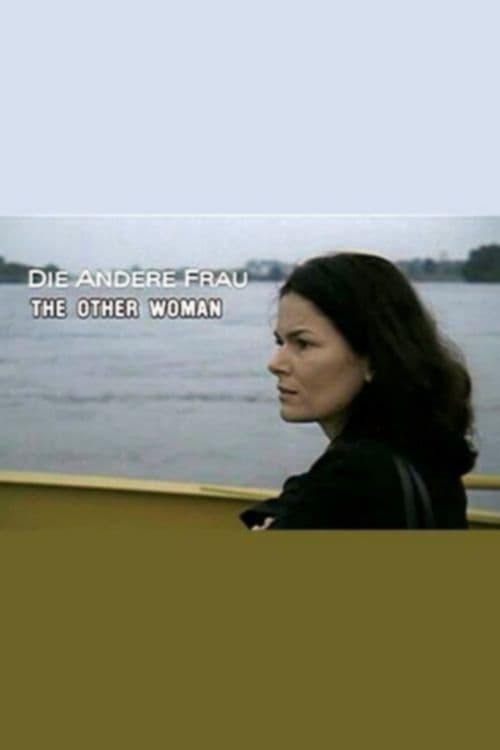
A German couple travels, shortly after reunification, to the Netherlands. Happiness does not last long. The wife receives a letter from an unknown woman.
2015
2007
2014
1977
2000
1994
1983
1999
No reviews yet. Be the first to share your thoughts on this movie!
Use the rating form above to leave a star rating and optional review.