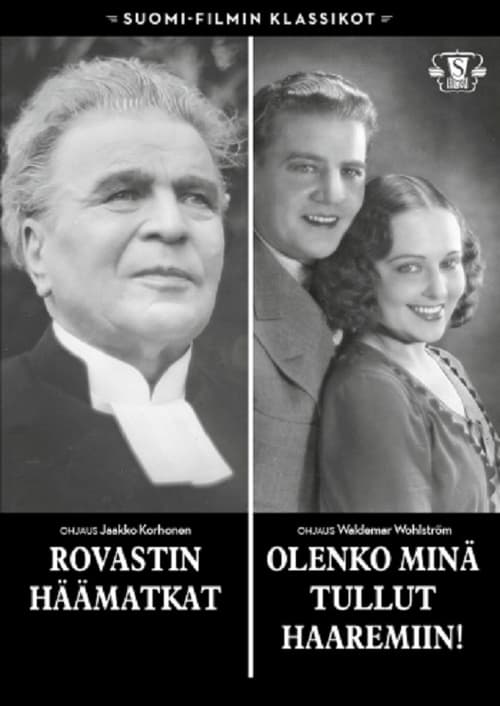
Rovastin häämatkat
1931
No user ratings available yet
Representation score: 3.5 out of 10
Representation Score
Minimal
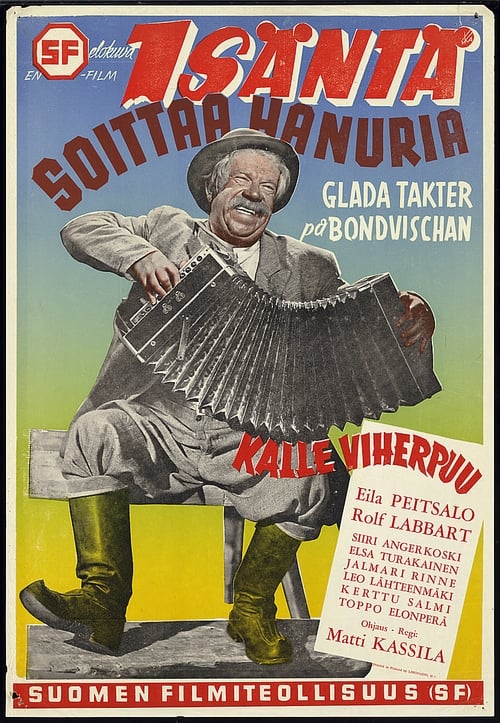
1949
Director
Matti Kassila
Runtime
75 minutes
Average Rating
No ratings yetNew Showbiz Analysis
Matti Kassila’s comedy serves as a reflection of 1949 Finnish society, relying on established social structures and traditional village dynamics. It focuses on local interpersonal conflicts and musical traditions to create a stable, traditionalist framework that lacks modern diversity markers. Ultimately, the work prioritizes cultural cohesion and conventional romantic clichés over social disruption.
Category Breakdown
The film follows a strictly heterosexual storyline with no representation of LGBTQ+ identities or same-sex relationships.
Characters adhere to traditional gender roles of the mid-20th century. A 'henpecked' husband provides mild comedic relief, but the overall social hierarchy remains conventional.
The cast is ethnically uniform, reflecting the rural Finnish setting of 1949. There is no indication of racial or ethnic diversity.
The story highlights Finnish rural traditions and musical heritage. It emphasizes local social cohesion and family stability without challenging these norms.
There are no characters with visible or invisible disabilities featured in the narrative.
Present on Screen
Limited or Absent
Official Synopsis
In the remote village of Hurula, the mistress of the house has forbidden her henpecked husband from enjoying himself and playing the accordion. The ceremonious host Ernesti courts the Hurulas' daughter Pirkko to be his wife. However, she falls in love with the village's new cantor Pelle, but multiple misunderstandings have completely complicated matters.
1931
1938
1952

1962
1949
1934
1954
1941
No reviews yet. Be the first to share your thoughts on this movie!
Use the rating form above to leave a star rating and optional review.